18795 Spring Creek Ln, Claremore, OK 74017

 (918) 260-4075
×
(918) 260-4075
×
Spring and early summer in Verdigris bring some of the most intense weather in the country, which frequently combines heavy rain, high winds, and large hail in a single storm. The stress continues into fall and winter with wind-driven storms and temperature changes that put stress on shingles and sealants already weakened by summer damage. Roofs in this area take a beating regularly, and damage that looks minor after a storm can quietly turn into leaking ceilings, rotting roof decking, and expensive repairs if it goes unchecked.
Capital Roofing works with homeowners across the Verdigris area who need straight answers after a storm. Our team knows what storm damage roof repair looks like on local roofs, from lifted and cracked shingles to granule loss collecting in your gutters, and we know how quickly a small problem can grow when left untreated. Getting a roof inspection done soon after a major storm is one of the most important steps you can take to protect your home.
Not knowing what happens next is one of the most stressful parts of dealing with storm damage. Here is exactly what the process looks like when you work with Capital Roofing.
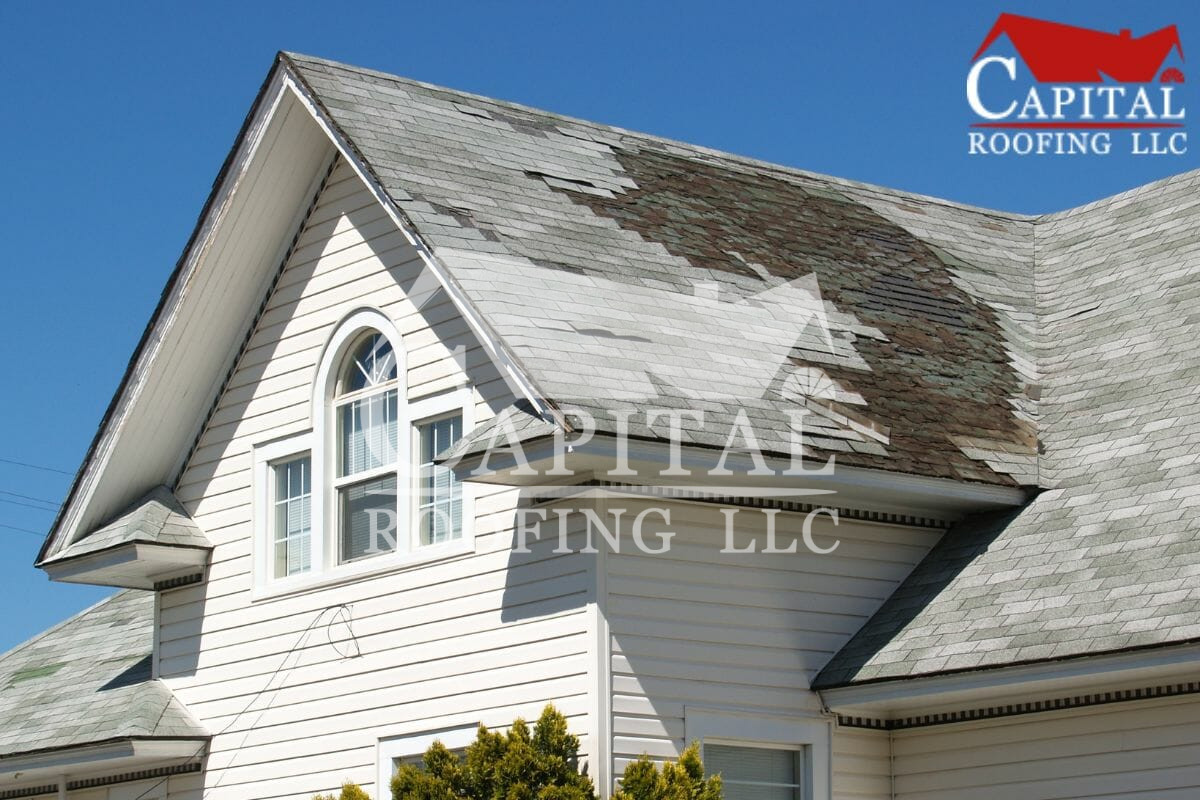
After a major storm rolls through Verdigris, the damage to your roof is not always obvious from the ground. Knowing what to look for and where to look helps you catch problems early before the next storm can cause more damage.
Roof damage in Verdigris can happen in any season, and waiting to get a roof inspection done only allows the next storm to make things worse.
Once your roof has been fully inspected, our experienced crew will work quickly to repair any areas that were weakened by storm damage. At Capital Roofing, we’re equipped to perform a range of repairs to meet the specific needs of your roof.
Oklahoma storms rarely hit just one side of a roof, and hail impacts often show up across several areas at once. Capital Roofing repairs shingle damage, bruising, and punctures across the entire roof, not just the spots that are easy to see from your yard.
Metal flashing surrounding chimneys, roof edges, and vents can easily bend or loosen due to wind and hail, creating gaps that quickly allow water to leak in. To ensure these vulnerable areas are thoroughly sealed before the next storm hits, our repair process includes resecuring or replacing the flashing.
When shingles are cracked, lifted, or missing, the roof decking and underlayment underneath can absorb moisture before the damage is ever spotted. If storm impact has damaged those layers, we fix them so your new shingles have a solid, dry surface to sit on.
If your roof has large exposed areas after a storm, additional rain can reach your ceilings and walls before permanent repairs can start. We secure heavy-duty tarping over any open sections right away to protect your home while we prepare for the full repair.
Got questions about your roof? We’ve got answers. From maintenance tips to insurance claims and repair timelines, our FAQ section covers the most common concerns homeowners have. Get informed and make confident decisions about protecting your home.
Damage isn’t always easy to see from the ground. Hail damage in particular often does not show up as a visible crack or missing shingle right away. Hail weakens the shingle surface over time, so the next round of heavy rain or strong winds is what triggers a leak. Getting an inspection done after a significant storm is the best way to know what you are actually dealing with before conditions make it worse.
Hailstones around 1.5 inches or larger are the size most commonly associated with real structural damage to shingles, not just surface wear. Northeastern Oklahoma sees hailstorms across a wider window than just spring, so even a storm that feels minor in the moment may have dropped stones large enough to bruise or crack shingles across multiple areas of your roof.
When shingles are lifted, or flashing is loosened in one area, water can travel along the roof decking and underlayment well beyond the original impact zone before it shows up as a ceiling stain inside your home. That is why a complete inspection of all areas matters after a storm, not just a quick look at the most visible side of the roof.