18795 Spring Creek Ln, Claremore, OK 74017

 (918) 260-4075
×
If you live in Skiatook, you already know how quickly the weather can turn. Spring and early summer bring some of the most active severe thunderstorm patterns in northeastern Oklahoma, and that means hail, high winds, and heavy rain are regular visitors to this part of Osage County. Hail in recent local storms has been reported at sizes between 0.75 and 1.5 inches, which is more than enough to bruise shingles, knock loose granules, and leave your roof vulnerable to leaks long before you notice any visible signs inside your home. Wind gusts around 60 to 70 mph have also been documented in the Skiatook area during severe thunderstorms, and that kind of force can lift shingles, loosen ridge caps, and pull flashing away from the edges and gaps where your roof needs it most.
The tricky part is that storm damage does not always show up right away. A roof can look fine after a storm and still have hidden damage that opens up during the next heavy rain. That gap between the storm and the visible leak is exactly where small repairs can turn into much larger ones if the damage goes unaddressed. Capital Roofing works with Skiatook homeowners to inspect roofs quickly after storms, identify what was actually affected, and get the right repairs done before the next round of weather arrives.
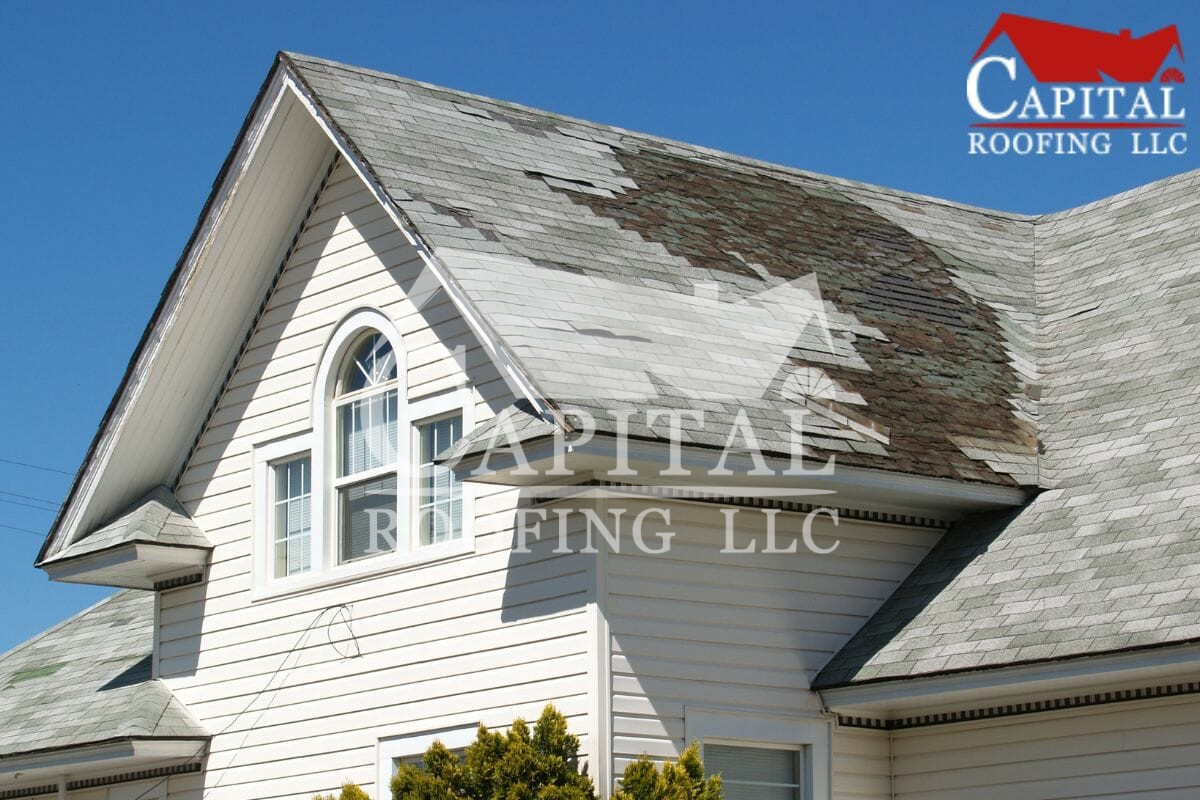
Storm damage can leave a roof looking mostly intact while creating problems in places that are easy to miss. Capital Roofing starts by determining what the storm affected, then works through the necessary repairs and verifies the finished work.
Not all storm damage looks dramatic from the ground. Some of the most serious issues after a hail or wind storm are easy to miss without getting up close, and the damage types vary depending on what the storm threw at your roof.
| Storm Type | Most Affected Roof Areas | Common Repair Need |
|---|---|---|
| Hail | Field shingles, ridge caps | Shingle replacement, granule damage repair |
| High winds | Edges, flashing, lifted shingles | Resecuring or replacing shingles and flashing |
| Severe thunderstorm with debris | Valleys, vents, field shingles | Debris damage repair, valley resealing |
Spring and early summer bring the heaviest storm activity across northeastern Oklahoma, so getting a complete inspection after any bad storm gives you a clear picture of where your roof stands before the next storm rolls through.
Hail between 0.75 and 1.5 inches can bruise shingle material without punching a visible hole, but that hidden damage breaks down the shingle's ability to shed water over time. Replacing affected shingles before that deterioration sets in keeps the rest of your roof intact and extends its working life.
Wind and hail put stress on the metal flashing that seals the gaps around vents, chimneys, and roof edges, and even small separations in those areas create reliable leak points during heavy rain. Resealing or replacing damaged flashing is one of the most important repairs after a Skiatook storm because those spots rarely fix themselves.
Ridge caps run along the peak of your roof and sit fully exposed to wind from every direction, making them one of the most commonly loosened parts after a severe thunderstorm. Restoring a secure ridge cap keeps moisture from getting under the top course of your roof and working its way down into the roof decking below.
Roof valleys channel water off your roof, but tree limbs and storm debris can crack the shingles lining those channels or block drainage entirely, sending water sideways into the roof decking. Clearing debris and resealing damaged valley material restores proper drainage and stops water from pooling in areas your roof was never designed to hold.
Northeastern Oklahoma's storm season does not slow down for anyone, and a roof that took a hit from hail or high winds this spring can become a much bigger problem by the time summer storms arrive. Getting repairs handled quickly protects your home from the kind of water damage that builds quietly behind walls and ceilings, and it keeps a manageable repair from growing into something far more expensive. The longer storm damage sits, the more opportunity the next heavy rain has to find those weak spots.
Capital Roofing is familiar with the weather patterns Skiatook homeowners deal with every year, and we treat every repair with the same attention we would want on our own roofs. If your home took storm damage recently, or if you just want to know where your roof stands before the next round of severe weather, reaching out is a simple first step. We are ready to take a look and give you a straight answer.
Got questions about your roof? We’ve got answers. From maintenance tips to insurance claims and repair timelines, our FAQ section covers the most common concerns homeowners have. Get informed and make confident decisions about protecting your home.
Yes, and this is one of the most important things to understand about hail damage in this area. Hail in the 0.75 to 1.5 inch range common to northeastern Oklahoma storms can bruise and crack shingle material without creating an immediate leak, but that damage weakens the shingle's ability to protect your home over time. The leak typically shows up during a later storm, by which point water may have already worked into your roof decking or underlayment.
This is something a trained eye can usually spot on the roof itself. Fresh hail hits leave a distinct pattern of bruised or bare spots with clean edges, while older granule loss tends to be more scattered and faded. Wind damage from a recent storm typically shows lifted tabs or broken adhesive seals that still have some flexibility, whereas weathered shingles that failed on their own often show cracking and curling across wider areas. A thorough inspection after any storm helps separate new damage from pre-existing wear so you know exactly what you are dealing with.
Ridge caps and roof edge flashing tend to be the first areas to show storm damage because they are the most exposed to wind coming from multiple directions during a severe thunderstorm. In the Skiatook area, where storms often arrive with gusts between 60 and 70 mph, those edge details and high points take a disproportionate amount of stress compared to the field shingles in the middle of your roof. Valleys and areas around vents or chimneys are also early failure points, particularly when debris is involved.