18795 Spring Creek Ln, Claremore, OK 74017

 (918) 260-4075
×
(918) 260-4075
×
Skiatook sits in a part of Oklahoma where the weather doesn't go easy on roofs. Summers push temperatures well into the 90s, winters drop into the 20s, and the spring and fall seasons bring heavy rain, hail, and winds that can strip shingles loose or puncture the surface entirely. That constant cycle of heat, cold, and moisture causes roofing materials to expand and contract over time, wearing down sealants and creating gaps where water finds its way in. For older homes in the area, many of which were built in the mid-20th century, that kind of ongoing wear adds up fast. A small leak left unaddressed can quietly spread to attic framing before you ever notice a stain on your ceiling.
Professional residential roof repair gives you a way to get ahead of that damage before it grows into something far more expensive to fix. Capital Roofing has worked with homeowners across Skiatook long enough to understand the specific conditions here, from the wind patterns that loosen flashing to the moisture exposure that comes with living near the lakes and waterways in this part of the state. Whether you're dealing with storm damage, aging shingles, or a repair that's been on your list for too long, getting the right fix in place protects your home and keeps your investment in your property from eroding one season at a time.
Knowing what to expect before work starts helps reduce uncertainty during a roof repair. The following outlines how Capital Roofing manages residential roof repairs from initial visit through completion.
Living in Tornado Alley means your roof takes a beating that homeowners in calmer climates simply don't deal with. Spring hail seasons, persistent moisture from nearby lakes, and summer heat all work together to wear down even a well-maintained asphalt shingle roof faster than you might expect. Knowing which problems come up most often helps you recognize when it's time to call for repairs before minor damage turns into something bigger.
| Repair Issue | Common Cause | Why It Needs Quick Attention |
|---|---|---|
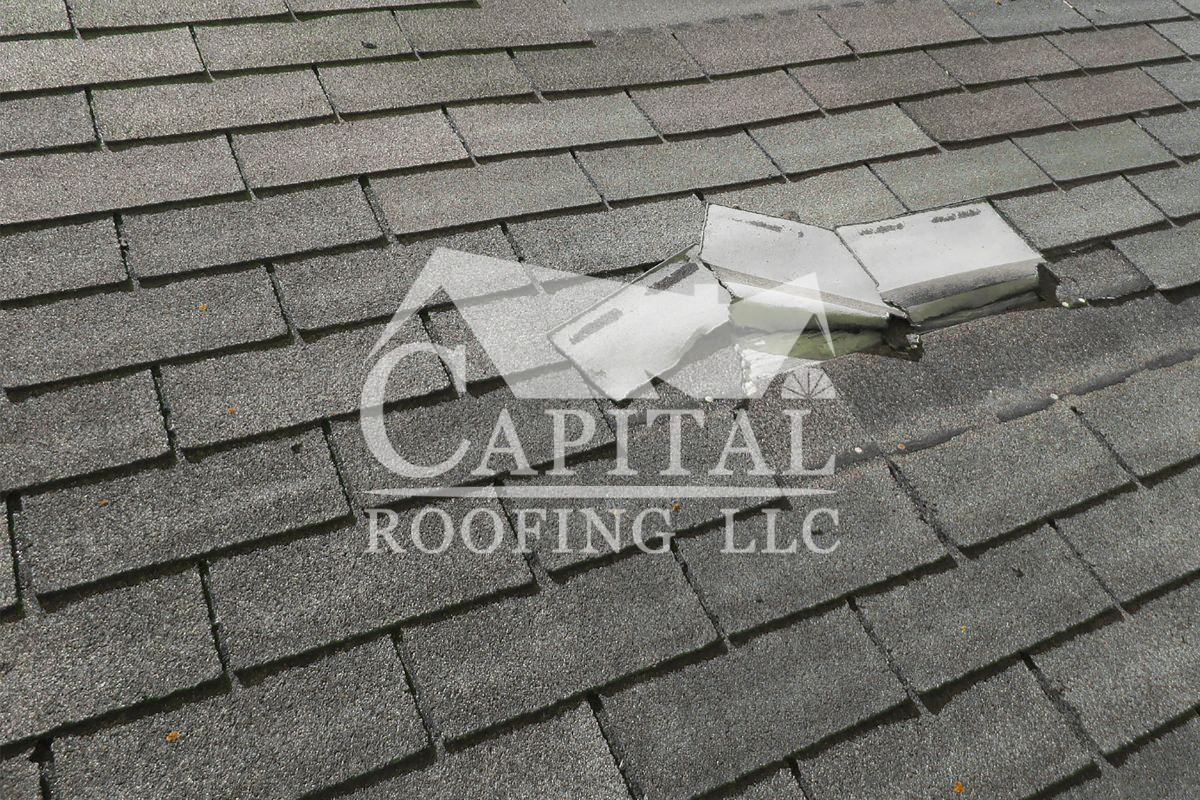
| Hail-dented or cracked shingles | Spring hailstorms | Exposed underlayment absorbs moisture and weakens the roof deck over time |
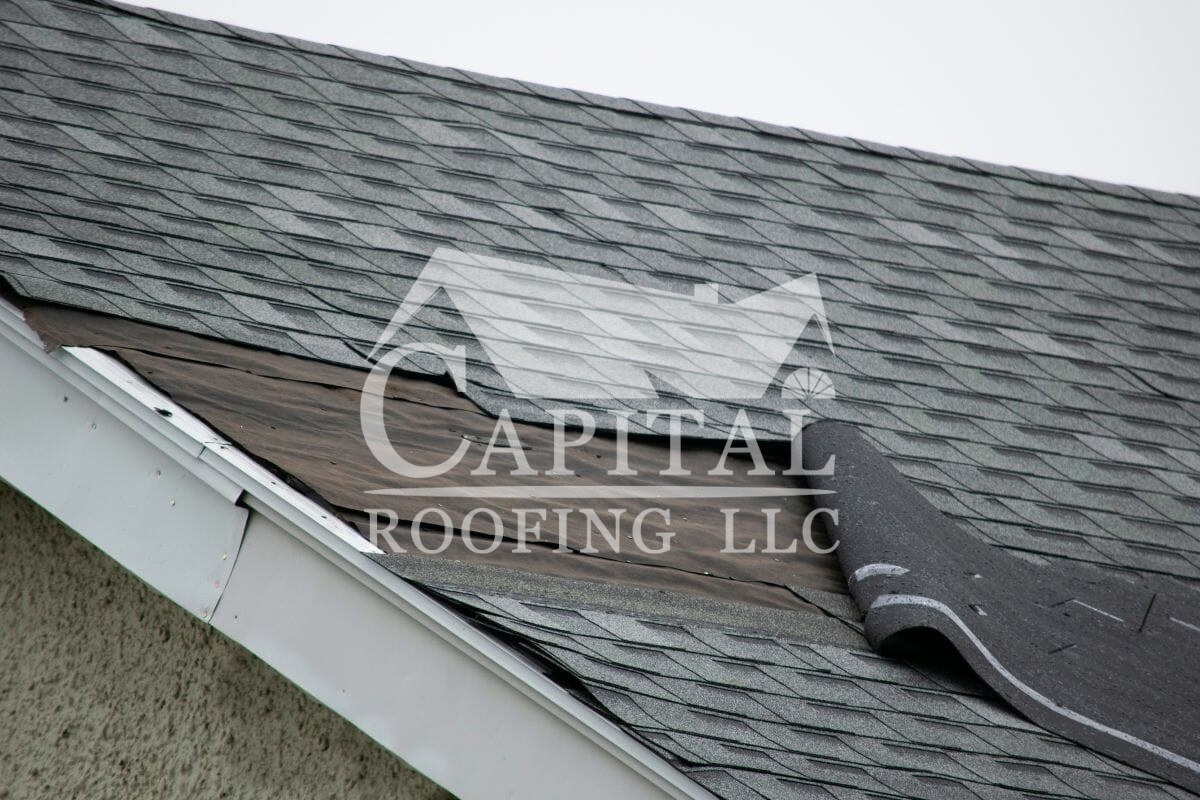
| Wind-lifted shingles | High-wind storms | Gaps allow water to reach the attic framing quickly during rain |
| Flashing failures | Aging sealant and wind stress | Leaks near chimneys and vents spread to the surrounding roof decking if left unsealed |
| Ridge and vent deterioration | Heat buildup and sealant breakdown | Poor ventilation accelerates shingle wear across the entire surface of the roof |
| Underlayment damage | Storm punctures or long-term wear | Without a sound underlayment, moisture reaches structural framing undetected |
Most of these issues are repairable quickly when caught early. The challenge in Skiatook is that storm damage often hides in spots that aren't visible from the ground, which is why a complete inspection after any significant storm is worth your time.
When shingles need to be replaced during a repair, we source materials that closely match the existing profile, texture, and color of your roof. This keeps your home looking consistent rather than leaving you with a patched appearance that stands out from the street.
Flashing around chimneys, vents, and roof edges is one of the first places aging sealant fails, especially on mid-20th century homes that have been through decades of Skiatook's temperature swings. We reseal and reinforce these areas during repairs to close off the spots where leaks most commonly originate.
Hail impacts and long-term wear can compromise the underlayment beneath your shingles, leaving your roof deck exposed to moisture without any visible surface damage. Addressing underlayment during a repair protects the structural framing of your home from the kind of slow water damage that often goes unnoticed until it becomes expensive.
While the roof is open, we check that airflow through ridge vents and attic areas is functioning properly, since blocked or damaged ventilation accelerates shingle wear and traps summer heat in ways that shorten your roof's lifespan. Catching ventilation issues at this stage costs far less than addressing the damage they cause down the road.
Skiatook's weather puts real stress on residential roofs year after year. Between the temperature swings that work sealants loose and the seasonal rains that find every vulnerable spot, even a well-maintained roof needs attention over time. Taking care of repairs before they spread is one of the more practical ways to protect your home and hold onto the value you have built in your property. Spring and fall tend to be good windows for getting repair work done before summer heat or winter conditions complicate the process.
Capital Roofing is familiar with the specific wear patterns homes in this area face, and we are straightforward about what actually needs to be fixed. If you have noticed a problem or just want a roof inspection to know where things stand, reaching out is a simple first step. We are happy to take a look and give you honest answers about what your roof needs.
Got questions about your roof? We’ve got answers. From maintenance tips to insurance claims and repair timelines, our FAQ section covers the most common concerns homeowners have. Get informed and make confident decisions about protecting your home.
It can, yes. Homes closer to the lake and surrounding waterways tend to see higher ambient moisture levels, which speed up sealant breakdown around flashing and ridge areas. That extra humidity also means small gaps in your shingles or underlayment don't get a chance to dry out between rainstorms, which increases the chance of water working its way into your attic framing before you notice anything inside the house.
Not always. Hail damage in particular can bruise or crack the granule layer of an asphalt shingle in ways that are nearly invisible from street level but leave the underlayment exposed to moisture. Windstorms can also lift the bonding strip along shingle edges without fully removing it, so the shingle looks flat but is no longer sealed. A closer inspection after any significant storm is the only reliable way to know what you are actually working with.
Permits are typically required for more significant roof work rather than minor patching or shingle replacement, but the specifics depend on the scale of the job. When a permit is needed for a residential repair in this area, the local process tends to move quickly and rarely adds much delay to the overall timeline. Your contractor should be able to tell you upfront whether your repair falls into permit territory and handle that part of the process for you.