18795 Spring Creek Ln, Claremore, OK 74017

 (918) 260-4075
×
(918) 260-4075
×
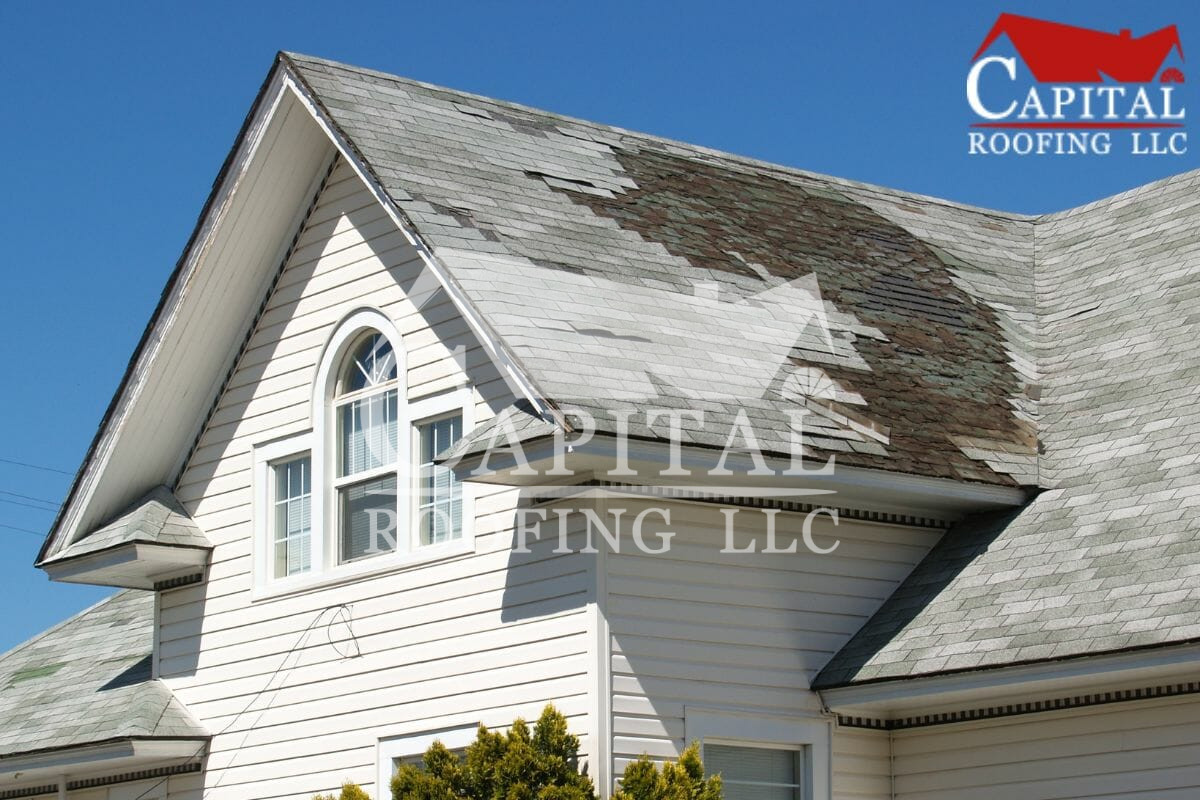
The weather in Pryor, Oklahoma, rarely offers homeowners a break. Spring brings hail-producing thunderstorms, often with hailstones large enough to crack shingles and bruise the fiberglass mat underneath. Summer heat pushes into the 90s and winter brings freezing temperatures and quick thaws that weaken shingle adhesion and break down seals. With close to 45 inches of rainfall a year and storms that can dump inches of rain in a matter of hours, your roof takes a beating season after season. The problem is that much of that damage remains unseen. Granule buildup in your gutters or a faint ceiling stain after a storm are easy to miss, but they're often the first signs that something more serious is happening overhead.
That's where Capital Roofing comes in. We work with homeowners across Pryor who need straight answers about what a storm actually did to their roof. Our team knows how Oklahoma weather behaves and what it leaves behind, whether that's lifted shingles after strong winds, cracked flashing around vents and chimneys, or soft spots in the roof deck from repeated moisture exposure. A proper inspection and repair after a significant storm is what protects your home from issues that grow more expensive to fix the longer they wait. Getting eyes on the damage quickly means you can address what’s needed, document what matters, and keep a manageable situation from turning into something much bigger.
Knowing what to expect from the repair process makes the whole experience less stressful. Here is exactly how Capital Roofing handles storm damage roof repair in Pryor from start to finish.
Not all storm damage announces itself with an obvious leak or a missing shingle. Some of the most serious problems develop quietly, and knowing what to look for after severe weather can help you act before a small issue grows into a much larger repair.
Once your roof has been inspected for any needed repairs, a professional contractor will thoroughly address each issue throughout the entire roofing system. These repairs will ensure that your roof is ready to protect your home during the next severe storm.
Cracked, lifted, or missing shingles are replaced with materials rated for Oklahoma's weather conditions, and broken seal strips are secured to restore the wind resistance your roof depends on. This is especially important heading into storm season, when even one loose shingle can give wind-driven rain a way in.
Vents, chimneys, and skylights are among the most common entry points for water after a storm, and flashing that has pulled away or cracked needs more than a quick patch. Capital Roofing re-seats and re-seals flashing at these openings to close off gaps and prevent leaks.
When moisture works its way through damaged shingles or seals, the roof deck underneath can soften and weaken over time. If the roof deck shows signs of damage, we address it before laying new material so the repaired area has a solid base that holds up through Pryor's seasonal temperature swings and flash rainstorms.
When a storm leaves your roof open to the elements and a permanent repair can't be done immediately, tarping protects the exposed area from additional rainfall and debris in the meantime. This step helps prevent secondary damage, like mold growth or roof deck deterioration, that can turn a straightforward repair into a much larger project.
Got questions about your roof? We’ve got answers. From maintenance tips to insurance claims and repair timelines, our FAQ section covers the most common concerns homeowners have. Get informed and make confident decisions about protecting your home.
Timing matters more than most homeowners expect. Oklahoma insurance companies often look at documentation tied to specific storm dates, and the longer you wait, the harder it becomes to separate fresh storm damage from wear that was already there. Getting an inspection done within a few weeks of the storm gives you the clearest record of what the storm actually caused, which protects you if questions come up later.
Hail impact damage to asphalt shingles in Pryor frequently shows up as bruising or a fractured fiberglass mat that is completely invisible from ground level. The surface of the shingle can look intact while the underlayer has already been damaged, and that is exactly what leads to leaks and roof deck deterioration over the following months. A detailed inspection by someone who knows what to look for is the only reliable way to know what you're actually dealing with.
A roof that was weakened during Pryor's April or May storm season but was never fully repaired is vulnerable going into winter. As temperatures drop and rise sharply, loosened shingles and cracked seals expand and contract, which speeds up the deterioration that started at the point of impact. What might have been a straightforward shingle repair in June can become a roof deck issue by January if the moisture has had months to work its way in. Addressing storm damage before the temperature drops is one of the more valuable things you can do to protect your home.