18795 Spring Creek Ln, Claremore, OK 74017

 (918) 260-4075
×
Oologah sits in a part of northeastern Oklahoma where the weather rarely gives roofs a break. Warm-season thunderstorms roll through with hail, strong winds, and heavy rain that can lift shingles, damage flashing, and leave your roof vulnerable to leaks. Rogers County sees around 50 or more thunderstorm days a year, and hailstorms are common enough that hidden impact damage is a real concern after nearly any bad storm. Because much of the area includes single-family homes and rural properties with larger roof surfaces, wind exposure along open roof edges and ridgelines can make storm damage worse than it might look from the ground.
Getting your roof inspected quickly after a storm matters more than most homeowners realize. Damage that looks minor, a few lifted shingles or a small gap in flashing, can let water in fast once the next rain arrives. Left alone, that kind of damage tends to spread into the roof decking and into the spaces below your roof. The longer it sits, the more expensive the repair becomes.
Capital Roofing works with homeowners across Oologah and the surrounding area to find and fix storm damage before it turns into a bigger problem. From hail-damaged shingles to compromised flashing and exposed roof edges, the goal is a complete repair that holds up through the rest of the season and beyond.
Storm damage can affect areas that are difficult to identify from the ground, making a thorough inspection important before repairs are planned. Capital Roofing evaluates the affected areas, explains the findings, and verifies the completed work before the repair is closed out.
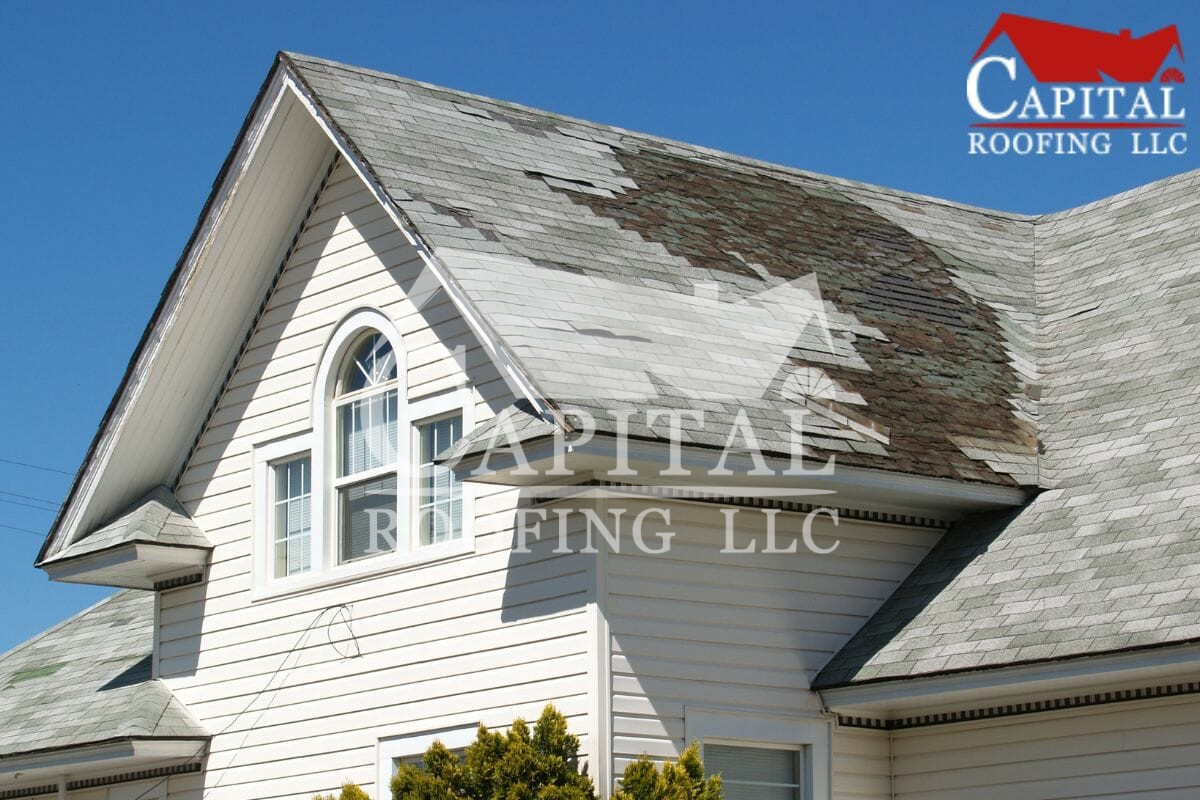
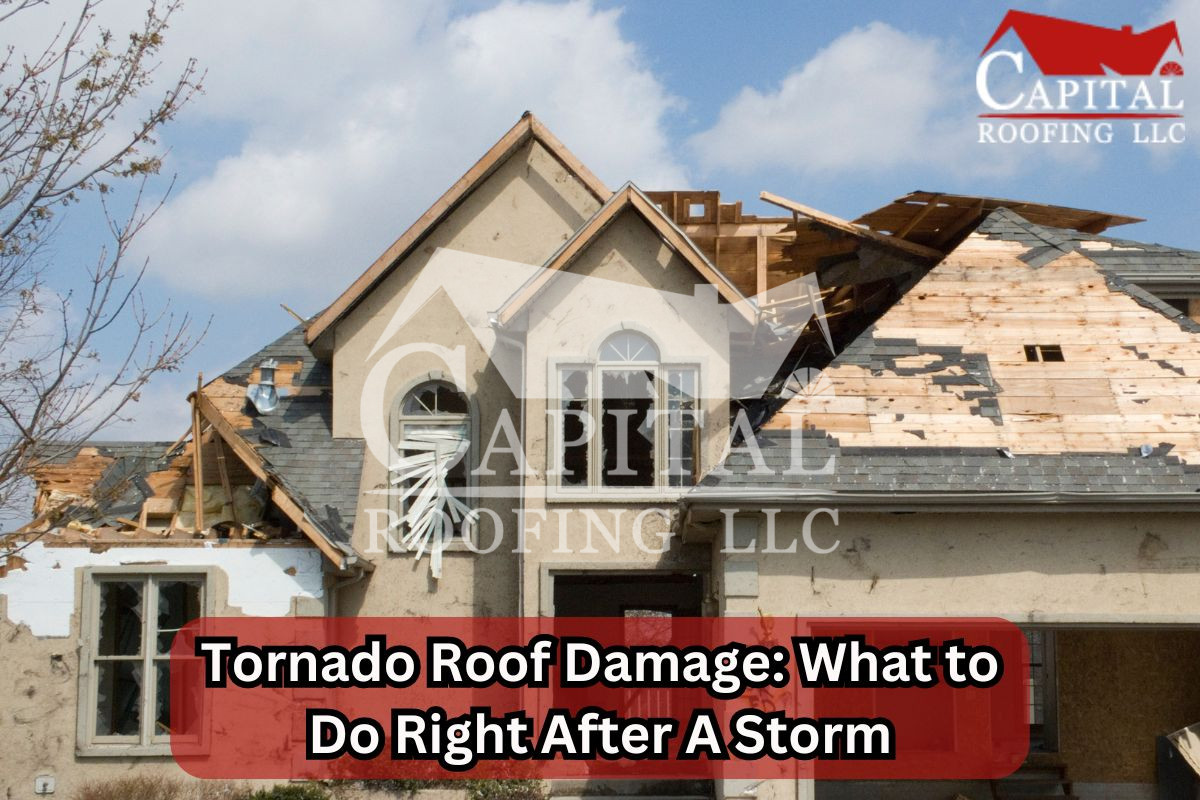
After a storm rolls through Oologah, the damage your roof took is not always obvious from the ground. Hail impacts, lifted shingles, and compromised flashing can all go unnoticed until the next rain finds its way in. Knowing what to look for, or what a roofer is looking for on your behalf, helps you act before a small problem becomes a much larger one.
Spotting these signs early, especially after spring and summer storms, gives you the best chance of keeping repairs focused and manageable.
When storm damage is limited to one section of your roof, replacement shingles are selected to match your existing roof in both appearance and durability. In an area like Oologah where hailstorms are common, that often means using Class 4 impact-resistant shingles on affected slopes to better hold up against future storms.
Wind-driven rain during severe storms puts a lot of pressure on flashing around roof gaps, vents, and where your roof meets a wall. Damaged or lifted flashing gets repaired and resealed as part of the storm repair, not left as a secondary concern, because those spots are where leaks tend to start first.
When shingles are removed during a repair, the underlayment beneath them gets checked for water damage, tearing, or separation from the roof deck. If it has been compromised, it’s replaced before new shingles go down, giving your home a proper moisture barrier rather than just a surface fix.
Roof edges and drip edges take a beating during high-wind storms, and failing edge protection can let water work its way under the shingle line along the entire roofline. Any perimeter details that were shifted, bent, or separated during the storm are corrected so the full roof edge is properly secured after the repair is complete.
Northeastern Oklahoma’s warm season brings the kind of weather that tests every part of a roof, and even a storm that passes quickly can leave behind damage that quietly becomes worse between now and the next one. Addressing that damage while it’s still contained to shingles, flashing, or roof edges keeps your home protected and helps you avoid the kind of repair work that grows in scale the longer it waits. Getting things handled before fall and winter arrive is especially worth considering, since cooler, wetter conditions give existing damage more opportunity to spread.
If you noticed anything after a recent storm, or if your roof has not been looked at since the last active stretch of weather, reaching out to Capital Roofing is a straightforward next step. A thorough inspection can confirm whether repairs are needed and give you a clear picture of where things stand. There is no pressure in getting a closer look, just a better understanding of what your roof needs.
Got questions about your roof? We’ve got answers. From maintenance tips to insurance claims and repair timelines, our FAQ section covers the most common concerns homeowners have. Get informed and make confident decisions about protecting your home.
Hail and wind damage often does not show up as an interior leak until weeks or even months after the storm, depending on how much rain falls in between. Cracked shingles or compromised flashing can let in small amounts of water that slowly work through the roof decking before you ever notice a stain on the ceiling. That delay is one of the main reasons a post-storm roof inspection matters even when your home looks fine inside after bad weather.
Partial repairs are a practical and common option when storm damage is concentrated on one section of your roof rather than spread across the entire surface. A localized repair handles the affected slopes, ridge areas, or flashing points without touching sections that are still in good shape. Oologah’s mix of larger rural home footprints means some properties have roof areas where damage is genuinely limited to one side or one section, making targeted repair the right call rather than a full tear-off.
Properties near Oologah Lake tend to sit in more open terrain, which means less natural wind break during severe storms. That open exposure can increase the force behind wind-driven rain, putting extra pressure on roof edges, vents, and roof-to-wall transitions during a storm. Homes in those areas may see more flashing displacement and edge lifting than properties with more surrounding tree cover or neighboring structures nearby, so those details tend to get extra attention during a post-storm inspection.