18795 Spring Creek Ln, Claremore, OK 74017

 (918) 260-4075
×
(918) 260-4075
×
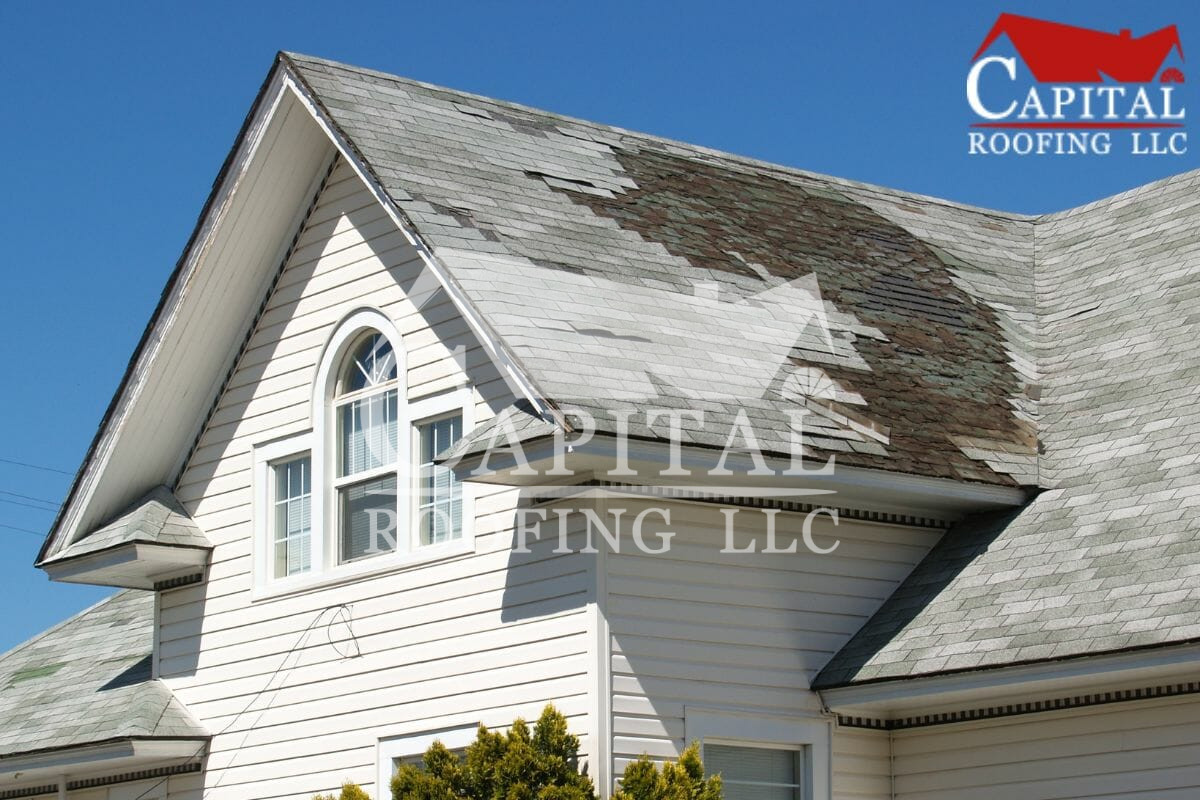
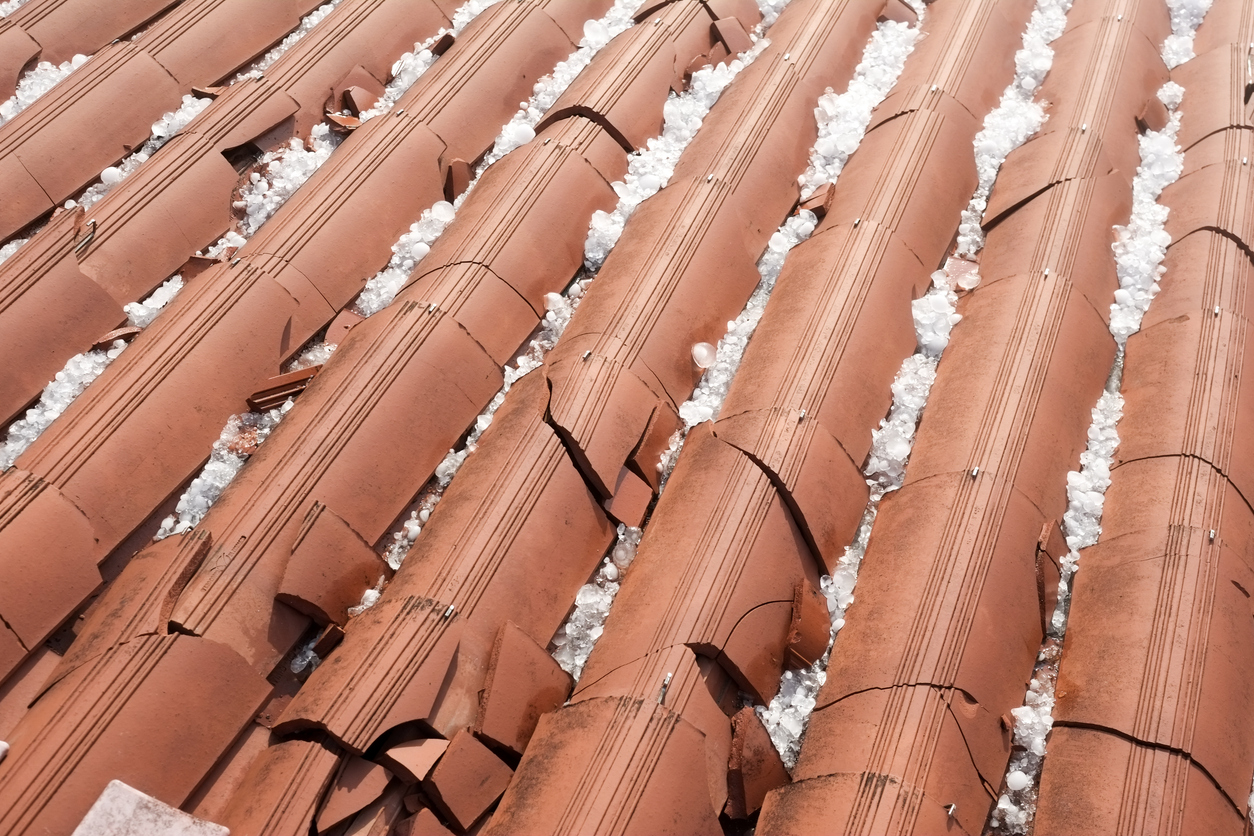
Oologah experiences many severe storms throughout the year, making it important for homeowners to keep a close eye on their roofs. Hailstorms come through this area multiple times a year, and the window of highest risk runs from mid-April through May. When hail hits, it does not always leave obvious damage. Shingles can suffer what roofers call bruising, where the fiberglass mat underneath cracks from impact while the surface looks mostly fine. Over time, those hidden soft spots let water in, and what started as a minor repair can quietly grow into a much bigger problem.
The weather here also works against your roof in other ways. Spring and fall bring temperature swings every day, and that constant expansion and contraction wears down asphalt shingles quickly. Roofs older than 15 years are especially vulnerable, since standard asphalt shingles typically reach the end of their reliable lifespan somewhere between 15 and 20 years. After a hailstorm, it is worth having metal parts like flashing, vents, and gutters inspected too, not just the shingles. Dents on those surfaces can compromise your whole roof even if the shingles look intact from the ground.
Capital Roofing works with Oologah homeowners to catch problems early and repair hail damage the right way, from shingle replacement to flashing repairs, before small issues turn into expensive ones.
Knowing what to expect before work begins makes the whole process easier. Here is exactly how Capital Roofing handles hail damage roof repair from the first call to the final walkthrough.
Hailstorm damage is rarely limited to just shingles. A complete inspection covers the entire roof, because problems in one area often point to vulnerabilities in others. Oologah's weather conditions put pressure on every part of your roof, not just what you can see from the ground.
| Roof Area | What We Look For | Why It Matters |
|---|---|---|
| Asphalt shingles | Bruising, granule loss, cracking, lifted edges | Hidden soft spots allow leaks over time, even when surface damage looks minor |
| Flashing around chimneys and vents | Dents, gaps, loose seals | Gaps as small as a quarter inch can let water in during heavy rain following a storm |
| Gutters and downspouts | Dents, granule buildup, separation from roofline | Metal dents confirm hail size and severity; granule buildup is a sign of shingle damage |
For roofs older than 15 years, this inspection often reveals more than surface-level shingle damage. Because asphalt shingles in this area wear faster due to the region's weather conditions, older roofs may need full replacement rather than targeted repairs. Waiting 48 hours after a storm for surfaces to dry also helps identify bruising and small cracks that wet conditions can hide during an earlier look.
Once a professional inspection has revealed the full extent of hail damage your roof has received, a reputable contractor will address each issue directly to ensure that there are no vulnerabilities left before the next storm.
When shingles are replaced, Capital Roofing can use materials rated to handle at least 110 mph wind conditions and can install them with a 4-nail pattern for a stronger hold against future storms. For homes in Oologah that see repeated hail exposure, Class 4 impact-resistant shingles are worth considering, since they offer the highest hail protection rating available and can lower your insurance premiums by 20% to 30% annually.
Any flashing around chimneys, vents, or skylights that shows dents, gaps, or failed seals gets repaired or replaced. This matters because even small gaps in flashing are one of the most common reasons roofs leak after a storm, and sealing them during the same visit keeps you from dealing with a separate problem down the road.
If weather conditions prevent permanent repairs right away, heavy-duty tarps rated for high winds or rubberized roof patches are used to cover the affected area and protect your home until full repairs can be completed. This intermediate step keeps water out during Oologah's peak storm stretch from spring through early summer, when back-to-back storms can make scheduling tight.
Dented or displaced vents, vent collars, and other metal roof parts are addressed as part of the repair, not overlooked once shingles are replaced. These parts take hail damage and can compromise your roof's ability to shed water properly, so getting them back to working condition is just as important as fixing the shingles above them.
Got questions about your roof? We’ve got answers. From maintenance tips to insurance claims and repair timelines, our FAQ section covers the most common concerns homeowners have. Get informed and make confident decisions about protecting your home.
Hail as small as ¾ of an inch can damage asphalt shingles when wind is involved, and in a place like Oologah where storms are severe, even smaller hail can leave its mark. The trickier issue is that the damage often shows up as bruising beneath the surface rather than visible cracking, so a shingle that looks fine from the ground may already have a damaged fiberglass mat underneath. That is why a hands-on roof inspection is important after any hailstorm, even a mild one.
Class 4 impact-resistant shingles carry the highest hail protection rating available and are built to hold up against the repeated exposure this area sees year after year. Many Oklahoma insurance carriers offer premium discounts of up to 20% to 30% annually for homes with these shingles, which can offset a portion of the upgrade costs over time. If your roof is already due for repairs after a storm, it is worth asking whether upgrading makes sense while the work is already underway.
Start by documenting everything you can safely see from the ground, including any dents on gutters, window screens, or AC units, since metal surfaces give a clear picture of hail size and intensity. Hold off on getting on the roof yourself until surfaces have dried for at least 48 hours, which is also when bruising and micro-cracks are most visible during an inspection. If you notice ceiling stains or feel a spot on the ceiling that seems soft, that is a sign water is already moving through, and a rubberized patch or tarp can buy time until permanent repairs are scheduled.