18795 Spring Creek Ln, Claremore, OK 74017

 (918) 260-4075
×
(918) 260-4075
×
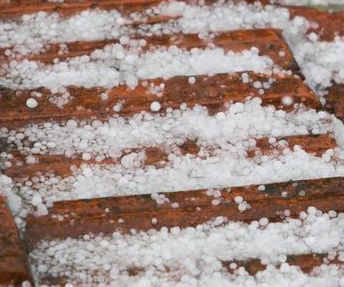
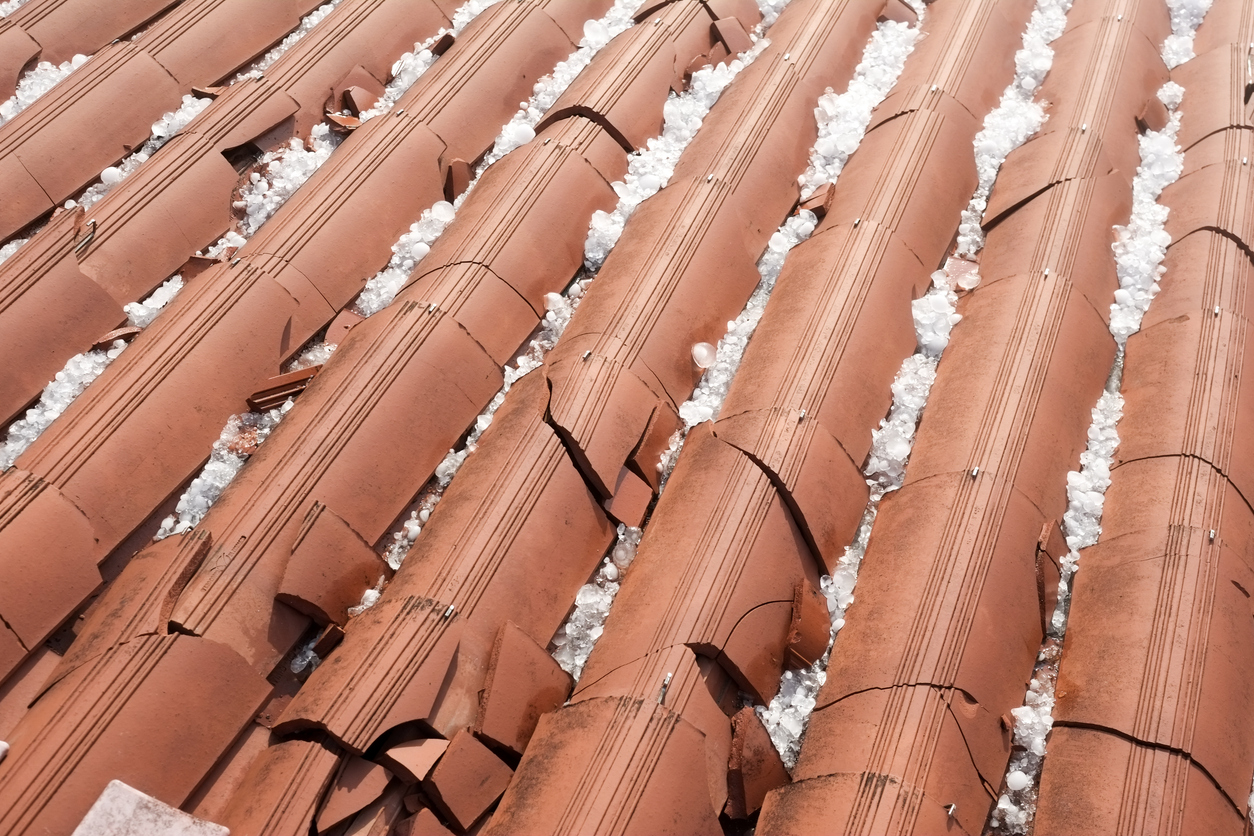
Northeastern Oklahoma gets hit hard during spring and early summer, and Inola is right in the thick of it. Storms that roll through this part of Rogers County regularly bring hail alongside heavy rain and wind, which is a combination that can do serious damage to a residential roof. What makes it tricky is that the damage isn’t always obvious right away. Hail leaves behind black impact marks on shingles, strips away the granule coating that protects them, and dents gutters, flashing, and vents in ways that are easy to miss from the ground. Then the temperature changes that follow a storm season put stress on those weakened spots, and what looked minor after the storm shows up months later as a leak inside your home.
That’s the cycle homeowners in Inola deal with, and it’s exactly why scheduling a professional roof inspection after a significant storm matters.
Capital Roofing works in this market and understands how these storms affect the full roofing system, not just the shingles. Hail repair here typically means checking the flashing around chimneys and skylights, inspecting vents and other roof gaps, and looking at the gutters, because wind-driven hail rarely limits its damage to one part of the roof. Getting ahead of those issues protects your home and keeps a manageable repair from turning into something far more involved down the road.
If you’ve never dealt with storm damage repairs before, it’s normal to be unsure about what the process actually looks like once you make contact. Here is how Capital Roofing handles everything from the initial inspection through completion.
Hail rarely stops at the shingles. A storm that rolls through Inola in spring can leave damage across multiple parts of your roof, and some of it won’t be visible until rain finds its way inside. Knowing what to look for after a storm helps you understand why a complete roof inspection covers more ground than most homeowners expect.
When damaged shingles are replaced, we match the replacement material to what’s already on your roof as closely as possible so the repair blends in rather than standing out. Getting that match right matters for both the appearance of your home and the way the repaired section performs alongside the surrounding surface.
Hail impact can loosen or separate flashing at important transition points around chimneys, valleys, and roof edges, and standard shingle repair won’t address those spots. We reseal or replace compromised flashing during the same repair visit, so those areas aren’t left as weak points heading into the next storm season.
Hail strips granules from shingles and scatters them across your gutters, downspouts, and the area around your home. After repairs are finished, we clear that debris so your drainage system isn’t partially blocked going into the next round of heavy rain common to northeastern Oklahoma’s spring weather patterns.
Cracked or shifted pipe boots and vent collars are among the easiest spots for water to enter after a hailstorm, and they’re often left unaddressed when repairs focus only on shingles. We seal or replace any compromised boots and collars identified on your roof so the full system is protected, not just the most visible surface area.
Spring and early summer bring real risk to roofs in this part of northeastern Oklahoma, and damage from those storms tends to get worse the longer it sits. Temperature changes through the warmer months put added pressure on shingles and flashing that were already weakened by hail impact, and what starts as surface damage can work its way into your home before the next storm season arrives. Getting the repair handled now protects your home and keeps a smaller problem from growing into a much more expensive one.
Capital Roofing knows this area and works with homeowners in Inola who want straightforward answers and solid repair work, not a sales pitch. If your roof took a hit recently or you suspect older damage that was never addressed, a roof inspection is a good place to start. Reach out to Capital Roofing when you are ready, and we will take it from there.
Got questions about your roof? We’ve got answers. From maintenance tips to insurance claims and repair timelines, our FAQ section covers the most common concerns homeowners have. Get informed and make confident decisions about protecting your home.
A good starting point is checking your gutters and downspouts for visible dents. Hail that leaves marks on metal gutters is generally large enough to cause granule loss and impact marks on shingles as well. That said, even smaller hail can cause meaningful damage depending on the age of your roof and the condition of the shingles going into the storm, so a post-storm inspection is the most reliable way to know for certain.
Yes, and this is more common in Inola than most homeowners realize. Damage from a storm one or two seasons ago may have seemed minor at the time, but it can deteriorate steadily as temperature changes and repeated rainstorms work on already weakened shingles and flashing. If your roof was never inspected after a significant hailstorm, there may be vulnerabilities that are quietly getting worse heading into the next active storm season.
In most cases, hail repairs can be targeted to the specific areas where damage is confirmed rather than pulling up large sections of the roof. The repair scale depends on how concentrated the impact pattern is and whether the surrounding shingles are still in solid condition. Because hail damage tends to follow a random pattern rather than affecting a neat section, the inspection determines exactly which spots need attention so the repair addresses real damage without going further than necessary.