18795 Spring Creek Ln, Claremore, OK 74017

 (918) 260-4075
×
(918) 260-4075
×
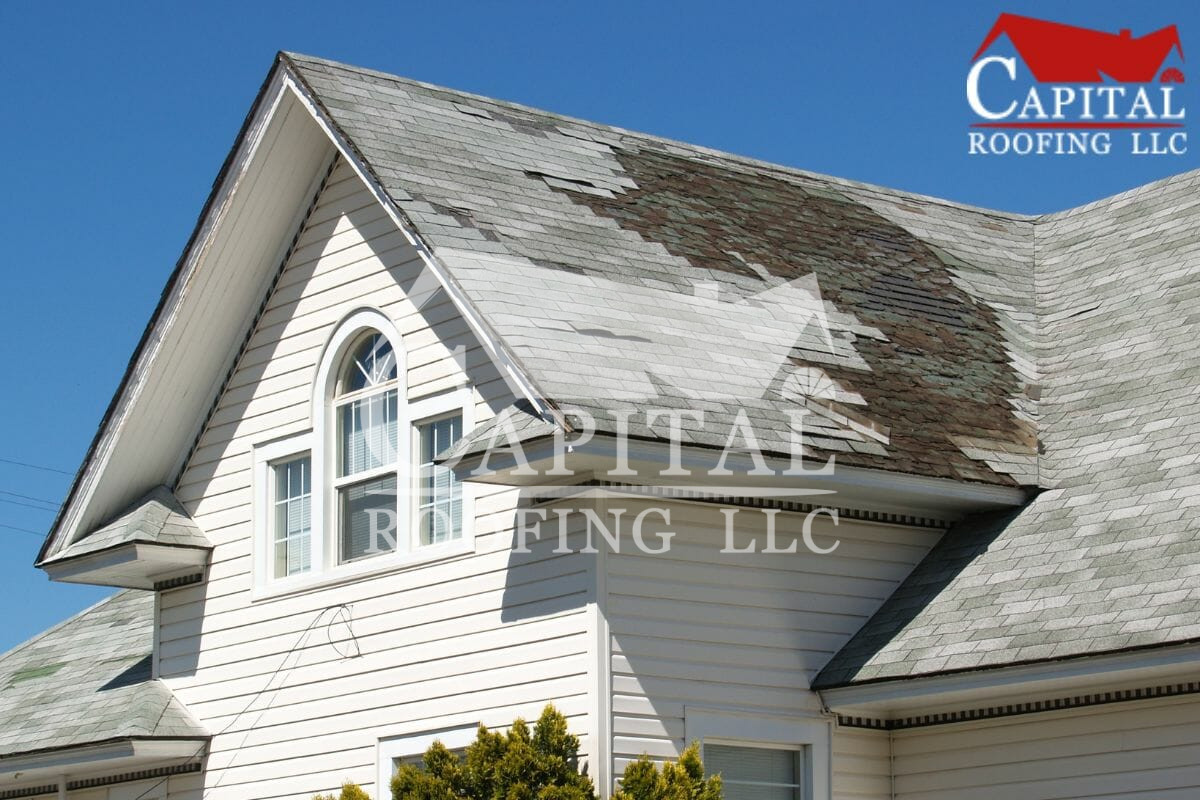
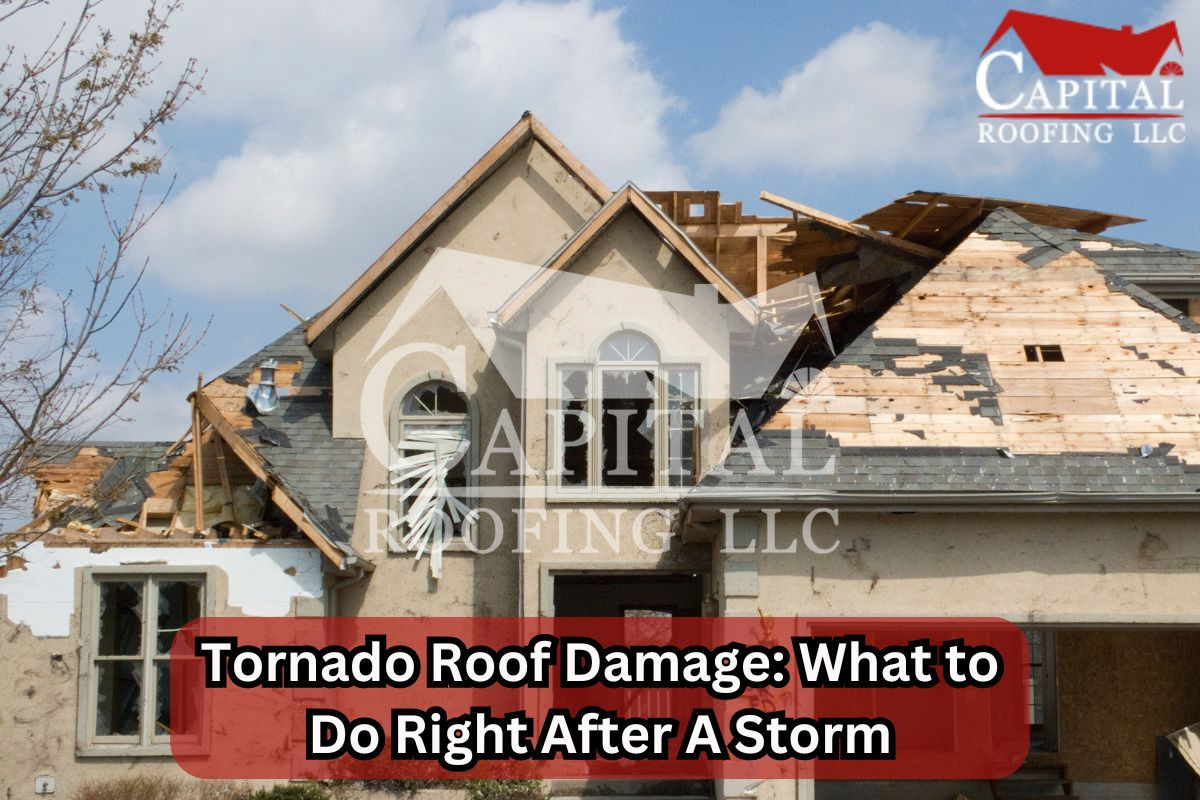
Homeowners in northeast Oklahoma experience the effects of severe weather often, especially when it comes to their roofs. Collinsville roofing systems are put under a large amount of stress in spring, with April and May bringing the worst of it. Hail-producing thunderstorms are capable of cracking shingles, denting metal flashing, and knocking ridge caps loose in a matter of minutes. The tricky part is that not all of that damage shows up right away. Granules wash into your gutters, shingle seals lift just enough to let moisture creep in, and by the time you notice a water stain on your ceiling, the problem has been building for weeks or longer. With Collinsville receiving around 42 inches of rain annually, most of which comes in spring and fall, even a small opening in your roof can turn into a serious leak fast.
That's where Capital Roofing comes in. We work with Collinsville homeowners who need straight answers after a storm, starting with a thorough roof inspection that looks at shingles, flashing, vents, edges, and any areas where damage tends to hide. Storm damage is rarely consistent, so we look for isolated damage across the entire roof, not just the obvious missing sections. The goal is to find everything that's been damaged before the next round of rain arrives and turns a repair into something much larger. Working with a properly licensed, registered, and insured local roofing company protects your property and ensures the repair is done right the first time.
If you've never dealt with storm damage before, the process can be stressful to imagine. Here's exactly what happens when you work with Capital Roofing, from the first call to the final walkthrough.
Not all storm damage is easy to spot from the ground, and some of the most serious issues can be difficult to catch with an untrained eye. Knowing what to look for after a storm helps you act quickly before a small problem grows into a much larger repair.
Because northeast Oklahoma storms often cause scattered damage, a complete roof inspection after any significant storm is the best way to find everything before the next storm arrives.
When storm damage leaves your roof exposed, waiting even a day or two for repairs can allow rain to reach the roof deck, insulation, or interior ceilings. Capital Roofing can place protective tarping over damaged areas to keep your home dry until the permanent repair work is complete.
Ridge caps and roof vents are some of the first things to take damage from strong winds, yet they're easy to overlook during a quick visual check from the ground. Repairing or replacing these parts closes off entry points that can let water and outside air into your attic space.
Once damaged shingles or flashing are removed during repairs, the roof deck gets checked for soft spots, rot, or moisture damage from previous storms. Catching problems at this stage allows us to fix them before new materials go down.
Replacing only the sections of your roof that were damaged by a storm means the new materials need to blend in with what's already there in both appearance and performance. Capital Roofing selects replacement shingles and flashing that are well-matched to your existing roof so the finished repair holds up and doesn't stand out.
Homeowners in this area are well aware of northeast Oklahoma's intense storm seasons. The same weather patterns that roll through year after year can take a gradual toll on your roof long before a leak makes itself known inside your home. Getting repairs handled after a significant storm protects your home from progressive damage that becomes far more expensive to fix down the road.
Capital Roofing is here to help homeowners in Collinsville get a clear picture of what their roof needs after a storm, and to handle the repairs the right way. If you have concerns about recent storm damage or noticed any of the warning signs covered on this page, reaching out for an inspection is a simple next step that can save you a lot of trouble later.
Got questions about your roof? We’ve got answers. From maintenance tips to insurance claims and repair timelines, our FAQ section covers the most common concerns homeowners have. Get informed and make confident decisions about protecting your home.
Most repairs that fail early are due to materials that weren't matched correctly to the existing roof or damage that was missed during the original inspection. In northeast Oklahoma, where hail and wind can cause scattered impact points across the whole roof, a repair that only addresses the most obvious damage often leaves weaker areas behind. Those spots become a larger issue when the next storms roll through.
There's no hard deadline, but waiting too long works against you. Another storm can follow a major hailstorm within days or weeks, and a roof that's been weakened by hail is far more vulnerable to that second hit. Widespread storms in this part of Tulsa County also tend to create backlogs for reputable local contractors, so the sooner you get an inspection scheduled, the sooner your roof is actually protected.
Collinsville actively warns residents about storm chasers and out-of-town contractors who show up after severe weather, and the city requires permits from the Development Services Department, which means repairs need to meet local requirements. Before any work starts, verify that the contractor is properly licensed, registered, and insured in Oklahoma, and confirm that permits are being pulled for the job. Skipping that step can create problems if you ever sell your home or need to file a claim for future damage.