18795 Spring Creek Ln, Claremore, OK 74017

 (918) 260-4075
×
(918) 260-4075
×
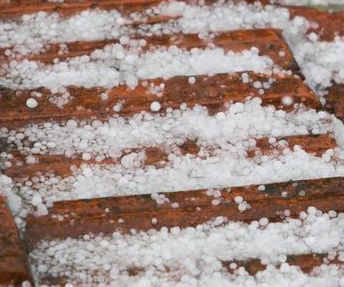
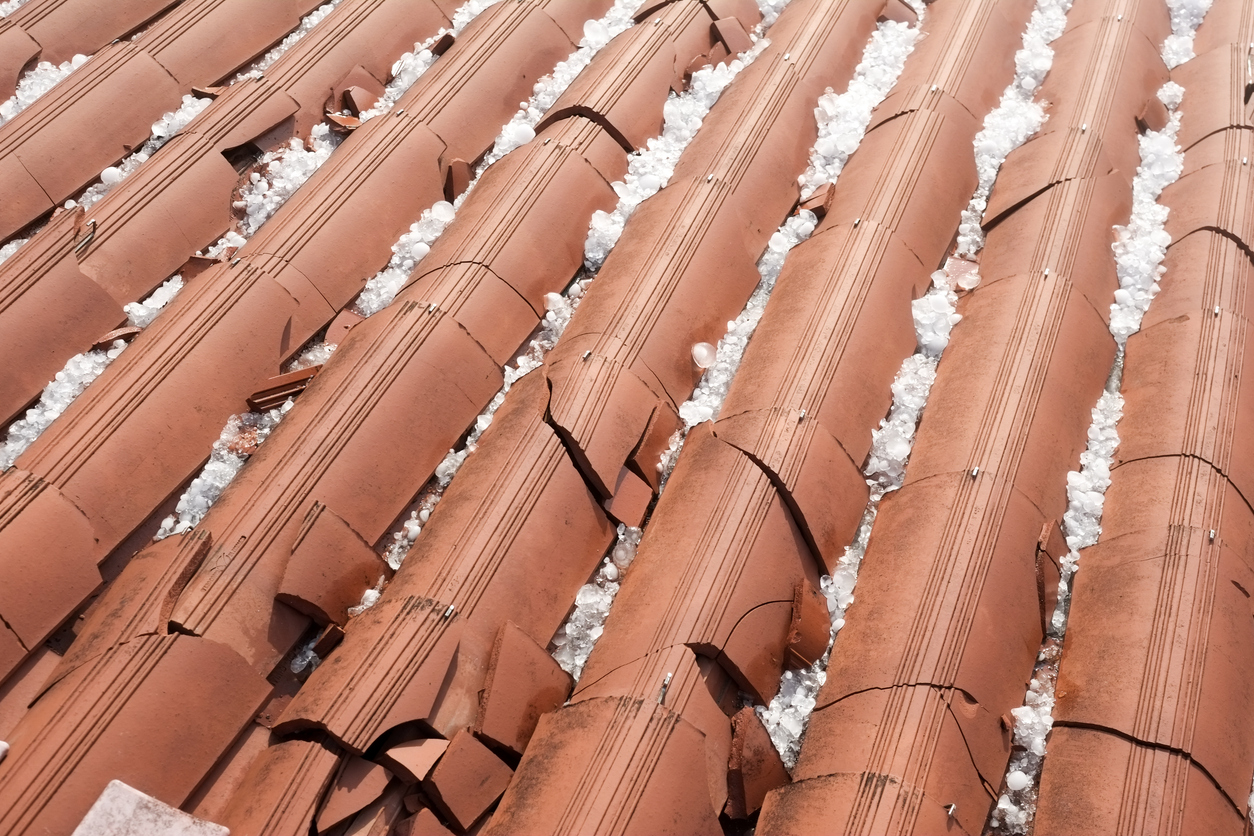
Collinsville sits in one of the more active severe-weather corridors in northeastern Oklahoma, and that means hailstorms are not a rare issue here. Spring and early summer bring repeated rounds of large hail, high winds, and fast-moving cells that can strip granules from shingles, crack flashing, and knock entire tabs loose in a matter of minutes. The problem with hail damage is that it does not always show itself right away. A roof that looks intact from the street can have bruised shingles, disturbed fasteners, and compromised seams that only become visible once water starts finding its way through. By then, the repair scale has grown.
That combination of frequent storm exposure and slow-developing damage is exactly why having a reliable local roofing contractor matters.
Capital Roofing works with homeowners and light commercial property owners across the Collinsville area to inspect roofs after storms and identify the full scale of what hail has done, not just the obvious surface damage. Whether your roof is asphalt shingles showing granule loss and soft spots or a metal roof with dented panels and shifted seams, the goal is the same: stop the damage where it is before the next storm makes it worse.
Storm damage can leave a lot of uncertainty behind, especially when you are not sure what steps come next. Here is how Capital Roofing handles the full process from initial inspection through completion.
Hail does not always announce itself with obvious holes or missing shingles. Some of the most significant damage happens in spots you would never notice without getting up on the roof, and in Oklahoma’s weather conditions, those hidden problem areas tend to get worse quickly. Knowing what to look for helps you decide when to call for an inspection before a small issue becomes an expensive one.
Oklahoma’s temperature swings can accelerate wear on a roof that has already taken hail impact, so catching these signs early gives you the best chance of keeping repairs manageable.
When hail knocks out shingles across part of your roof, replacement materials need to blend with what is already there. Capital Roofing works to match replacement shingles to your existing color, texture, and profile so the repaired sections do not stand out from the rest of your home.
Pipe boots and vent collars are among the first spots to fail after hail impact, and they are easy to overlook during a quick visual check. Repairing or replacing these rubber and metal seals is a routine part of hail damage repair because even a small gap around a pipe or vent can let water into your attic and walls.
Ridge caps sit at the peak of your roof and take a direct hit during hailstorms, often losing granules or cracking before the rest of the shingles show obvious wear. Restoring damaged ridge caps is an important part of a complete repair because a compromised ridge line leaves your entire roof more exposed to wind-driven water.
If your roof is already letting water in before permanent repairs can begin, a properly secured tarp buys you time without letting the damage spread to your ceilings, insulation, or walls. This is especially useful after the fast-moving spring storm systems common in the Collinsville area, when repair crews may be working through a backlog of storm-related calls.
Northeastern Oklahoma’s storm seasons are not getting quieter, and roofs that have already taken hail impact are more vulnerable to the next round of weather than they appear. Addressing the damage now, before another storm stresses the same weak points, is simply the more practical path. A repaired roof protects your property value, keeps your interior dry, and removes the uncertainty of not knowing what is quietly deteriorating above your ceiling.
Capital Roofing is familiar with the conditions Collinsville homeowners and property owners deal with season after season. If you noticed something after a recent storm, or if your roof has not been inspected since the last time hail came through, reaching out is a straightforward first step. There is no pressure and no obligation, just an honest look at what your roof needs and a clear explanation of your options.
Got questions about your roof? We’ve got answers. From maintenance tips to insurance claims and repair timelines, our FAQ section covers the most common concerns homeowners have. Get informed and make confident decisions about protecting your home.
Getting your roof inspected as soon as possible after a hail storm gives you the most accurate picture of what the storm actually did. In northeastern Oklahoma, roofing crews stay busy quickly after major storms move through the area, so the sooner you call, the sooner you get on the schedule. Waiting also gives undetected damage more time to develop, especially if another storm rolls through before you have had a chance to address the first one.
Yes, and this is one of the most common surprises homeowners run into after a Collinsville storm. Hail impact on asphalt shingles often shows up as bruising or granule loss that is only visible from up on the roof, not from the driveway or yard. Cracked flashing around vents and chimneys is another example of damage that looks fine from street level but can quietly create a leak path over time. That is why a proper post-storm inspection involves getting on the roof and looking at every surface directly, not just scanning from below.
It can, and it is something worth discussing openly before work begins. An older roof that has already lost granules or has shingles nearing the end of their lifespan will be affected by hail differently than a newer one, and in some cases, the damage from a single storm accelerates wear that was already in progress. Oklahoma’s temperature swings add up this over time, putting more stress on materials that hail has already weakened. A thorough inspection will take the overall condition of your roof into account, not just the storm impact, so you get a clear picture of what repair versus replacement actually makes sense for your situation.