18795 Spring Creek Ln, Claremore, OK 74017

 (918) 260-4075
×
(918) 260-4075
×
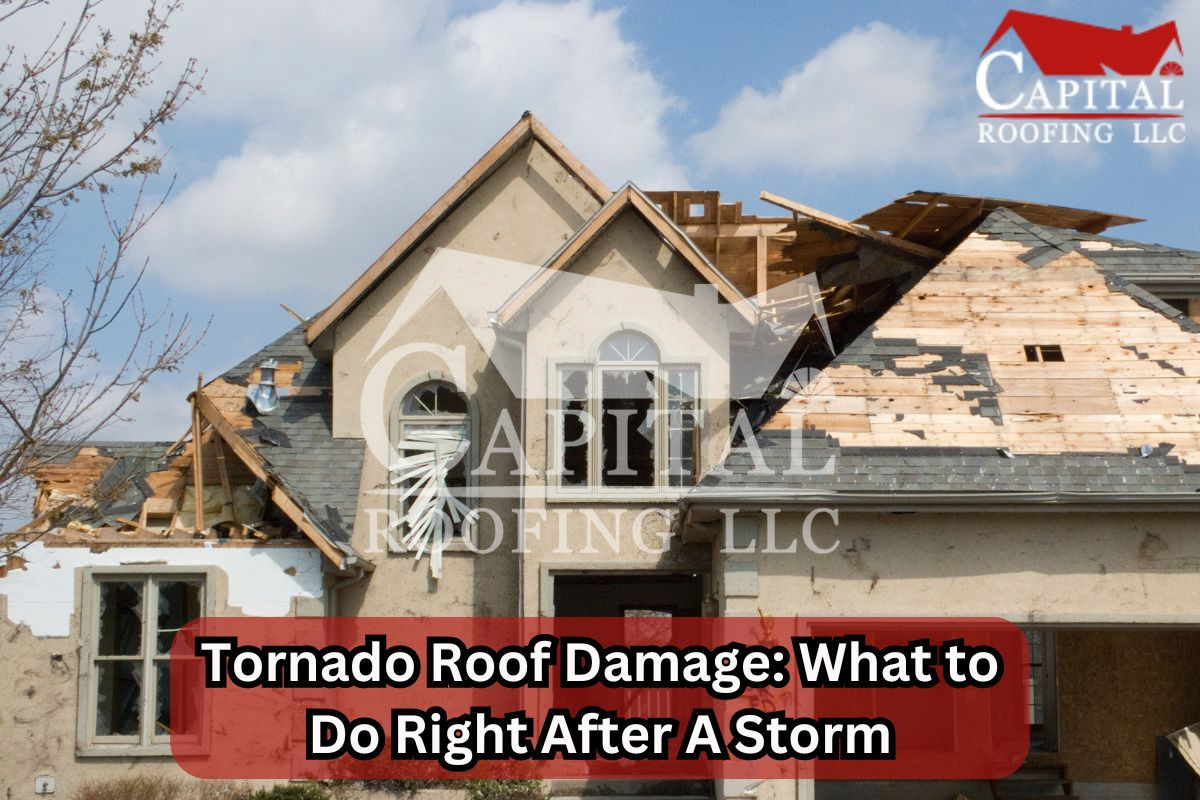
Claremore homeowners experience severe weather throughout most of the year, meaning that their roofs are put under stress consistently. Spring and early summer bring some of the most active severe weather in the country, with hail-producing thunderstorms, high winds, and the occasional tornado rolling through Rogers County. Fall and winter storms add temperature changes that wear down roofing materials over time, making shingles brittle and vulnerable well before they should be. If your roof’s age is anywhere in the 15 to 30-year range, it's already been through enough Oklahoma weather to have weak points you may not be aware of yet.
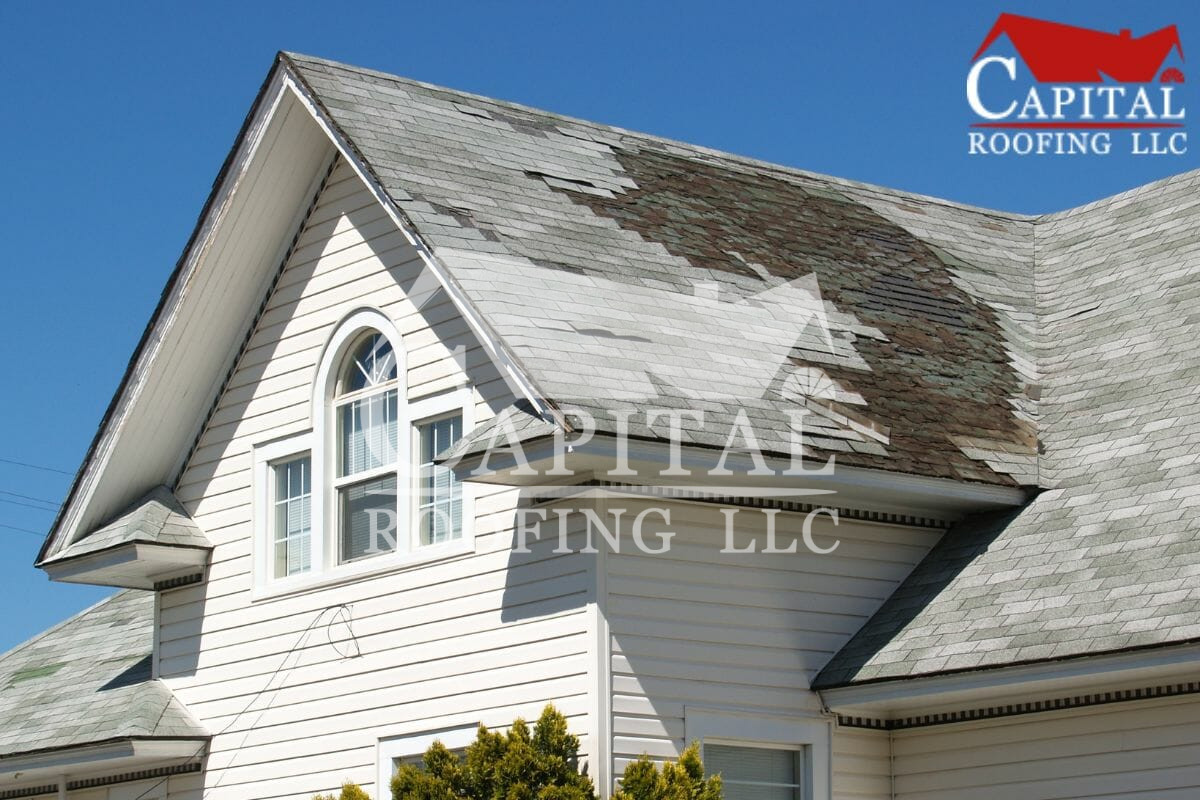
A storm that looks like it passed without incident can still leave behind lifted shingles, cracked flashing, granule loss in your gutters, or slow leaks that don't show up as ceiling stains until weeks later. The longer that damage goes unnoticed, the more it costs to fix. Getting storm damage roof repair service within a few weeks of any significant storm is one of the most practical things you can do to protect your home and avoid a much larger repair bill down the road.
Capital Roofing works with Claremore homeowners to repair storm-damaged roofs and understands how the area’s weather affects roofing systems from season to season. Whether a storm left behind obvious missing shingles or something more subtle that only a trained eye would catch, the goal is always to restore your roof fully so your home stays protected through whatever Oklahoma throws at it next.
Not knowing what happens next is often the most stressful part of dealing with storm damage. Here is exactly what storm damage roof repair looks like when you work with Capital Roofing.
After a storm rolls through Claremore, one of the first real questions is whether your roof needs a targeted repair or a full storm restoration. The answer depends on a few specific factors, and understanding the difference can save you from spending more than necessary.
| Deciding Factor | Points Toward Repair | Points Toward Storm Restoration |
|---|---|---|
| Damage spread | Isolated to one or two areas | Spread across more than two areas |
| Roof age | Under 15 years old, good condition | 15 to 30+ years old, prior wear present |
| Hail impact | Minor granule loss, limited dimpling | Widespread dimpling, dented vents throughout |
| Leak history | No prior leaks, first-time damage | Repeat leaks tied to recurring storms |
Summer is a good window to schedule a professional roof inspection before fall storm season picks up again. Hail damage often shows up as small craters or dimples in shingles and dents on metal vents, while wind damage can leave shingles partially lifted and vulnerable to leaks long before they fully detach. If either pattern covers a large portion of your roof, storm restoration is typically the right path. A targeted repair is highly effective when storm damage is confined to a single area and isn’t a recurring problem.
To guarantee that your home is completely protected, every area of your roofing system must be inspected and repaired, meaning a dependable contractor will look far beneath the surface. When a single minor issue can grow into extensive damage, paying attention to the details is critical during a storm damage roof repair.
Flashing is one of the first things to fail in a storm. Capital Roofing reseals or fully replaces damaged flashing around every vulnerable transition point on your roof so that water cannot find a path through.
Hail, heavy rain, and wind can weaken the roof deck beneath your shingles even when the surface looks mostly intact. If soft spots, rot, or water damage are found while the roof is open, those areas are repaired before new materials go down so the finished repair holds up long-term.
Claremore gets hit with large hail and high winds year after year, so replacing damaged shingles with impact-resistant materials rated for Oklahoma weather conditions makes a real difference going forward. Using the right materials means your repaired sections are better prepared for the next storm.
Granule loss weakens your shingles faster than most homeowners realize, and poor attic ventilation speeds up that deterioration even further. Capital Roofing inspects both aspects during storm damage repairs to prevent a new repair from being weakened by pre-existing ventilation issues that accelerate roof wear.
Got questions about your roof? We’ve got answers. From maintenance tips to insurance claims and repair timelines, our FAQ section covers the most common concerns homeowners have. Get informed and make confident decisions about protecting your home.
Oklahoma storms can leave behind damage that looks minor on the surface but allows water to work into your roof deck, insulation, and ceiling over the following weeks. Getting a roof inspection within a few weeks of a significant storm means any hidden problems get caught before they turn into something much more expensive to fix.
Hail damage has a specific appearance that is different from normal wear. It often appears as small circular dimples or soft spots on the shingle surface, dents on metal vents, and concentrated granule loss that forms a pattern rather than scattered thinning across the whole roof. Age-related wear tends to be gradual and evenly distributed, while hail impact creates distinct marks in areas that directly faced the storm. A trained eye can tell the difference quickly, which is why a post-storm inspection is worth scheduling even if you are not sure anything happened.
Flashing around chimneys, vents, and valleys tends to be the first place storm damage shows up, partly because those transitions are already the most vulnerable spots on any roof. Metal parts like ridge caps, pipe boots, and gutters also take a beating from hail because impact damage is easier to spot on softer metals. The roof deck can also weaken from repeated heavy rain and wind without showing any obvious signs from street level, which is why checking the roof deck during repairs is an important part of doing the job right.