18795 Spring Creek Ln, Claremore, OK 74017

 (918) 260-4075
×
Chouteau sits in a part of northeast Oklahoma where the weather does not hold back. Spring storms roll through with wind gusts that can push 60 mph and hail that bruises shingles, bends flashing, and strips granules off the surface in a matter of minutes. With around 45 inches of rain falling each year and the wettest months landing right in peak storm season, a roof that took a hit does not get much time to dry out before the next round of rain arrives. That kind of repeated exposure turns minor damage into leaks faster than most homeowners expect.
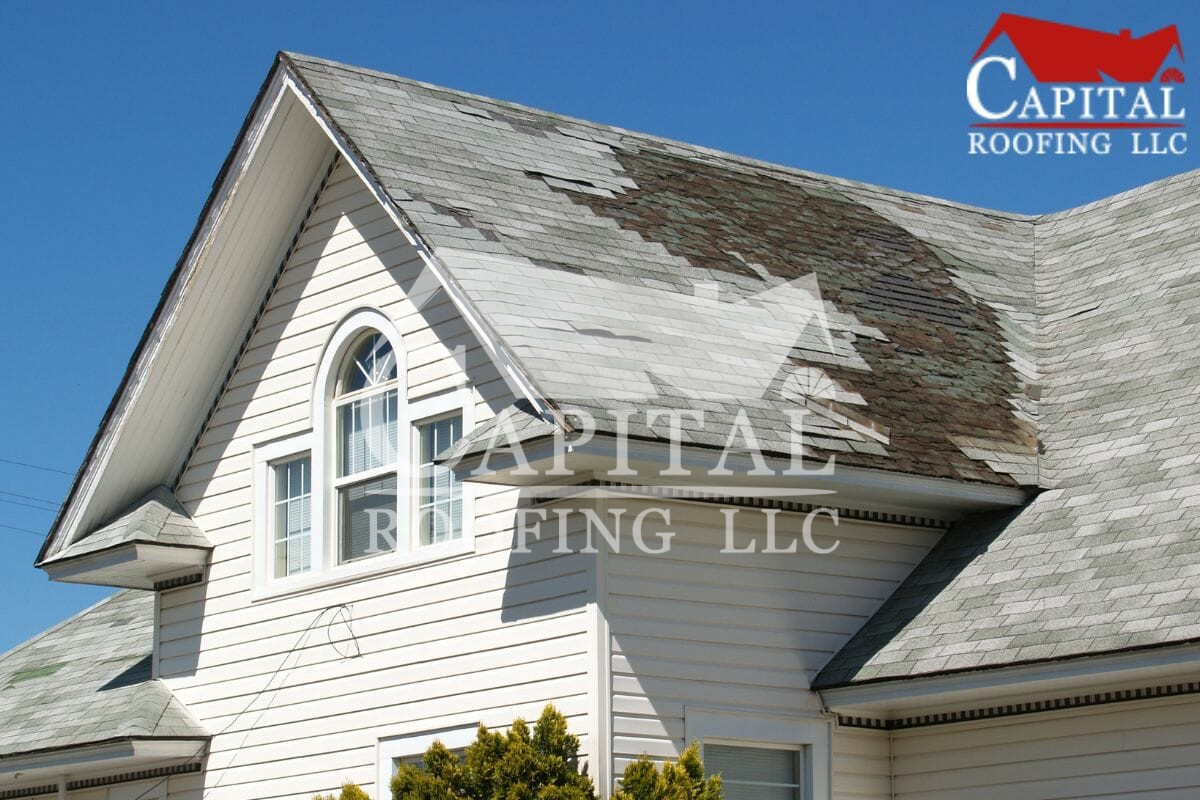
The tricky part is that storm damage is not always obvious from the ground. Lifted shingle tabs, cracked ridge caps, and damaged flashing around chimneys or pipe boots can let water in without showing a single visible sign from your yard. Add in the temperature changes between Chouteau's hot summers and cold winters, and small gaps in the roofing system tend to open up further over time. What starts as a loose tab or a bent piece of step flashing can quietly work its way into a much bigger repair if it goes unchecked after a storm.
Capital Roofing works with homeowners across Chouteau and the surrounding Mayes County area to inspect roofs after severe weather and handle repairs that protect your home from the next storm before it arrives. The goal is straightforward: find the damage, fix it completely, and keep your roof doing its job.
Storm damage can affect several parts of a roof, and a proper repair begins with identifying those issues rather than relying on what is visible from the ground. Capital Roofing evaluates the damage, explains the recommended work, and reviews the completed repairs with you.
After a severe thunderstorm passes through Chouteau, your roof may look fine from the driveway but still be letting water in. Some of the most common damage points are small, easy to miss, and only show up as interior leaks days or weeks after the storm. Knowing where to look helps you catch problems before they get expensive.
Many of these signs are not visible without getting on the roof, which is why a complete inspection after any major storm is the most reliable way to know what you are actually dealing with.
When shingles are replaced after storm damage, the new materials are matched as closely as possible to your existing roof in color, profile, and weight. A mismatched repair can stand out visually and, more importantly, may not integrate well with the surrounding shingles, leaving your home more vulnerable to wind uplift along the repair edges.
Pipe boots, plumbing vents, and other roof gaps are common leak points after storms because the rubber seals around them crack or shift when wind forces shingles to flex. As part of storm damage repair, these seals are inspected and replaced or reseated so rain cannot work its way in around them during future wet weather.
When hail or wind damages shingles badly enough to expose the underlayment beneath, that layer often needs attention too. Torn or saturated underlayment no longer protects your roof deck from the roughly 45 inches of annual rainfall Chouteau sees each year, so addressing it during the repair keeps water from reaching the roof decking below.
Ridge caps and drip edge sections along roof edges are among the parts most likely to take direct hits from hail or lift away in high winds. Restoring these areas is not just about appearance; intact ridge caps and secure drip edges protect the roof deck and your home's interior from water that would otherwise work in along the roofline during heavy spring rains.
Chouteau's weather pattern gives roofs very little room for error. Spring and early summer bring the heaviest rainfall, and storms in this part of northeast Oklahoma can deliver both wind and hail in the same pass. A roof that came through a storm with even minor damage is sitting in the path of the next round of rain without a complete defense. Catching that damage early and fixing it correctly protects your home from the kind of interior leaks that tend to show up weeks after the storm, long after the connection is obvious.
If your roof took a hit recently or you are not sure what condition it’s in after a rough stretch of weather, Capital Roofing is ready to take a look. Homeowners throughout the Chouteau area count on a thorough inspection as the straightforward way to know where things stand and what, if anything, needs to be done. Reach out when you are ready, and we will help you get there.
Got questions about your roof? We’ve got answers. From maintenance tips to insurance claims and repair timelines, our FAQ section covers the most common concerns homeowners have. Get informed and make confident decisions about protecting your home.
For most standard shingle repairs, a permit is not required, but larger repairs that involve the roof decking or other structural parts of your roof may fall under Chouteau's repair and remodel permit requirements. A reputable contractor familiar with Mayes County will know which jobs need to be pulled and can handle that process on your behalf. You should not have to figure out the permit side on your own.
Yes, and this is actually a common pattern after wind-driven storms in northeast Oklahoma. When rain gets forced under a loosened shingle tab or around a pipe boot during a storm, the water can travel along the roof deck or insulation before it ever shows up as a stain inside your home. A delayed stain appearing days or weeks after a storm is still worth tracing back to the roof, because the source is usually a small opening that the storm created.
Spring is the wettest stretch of the year here, with monthly rainfall that can hit 5 to 6 inches, and storms tend to arrive in clusters. That means a roof with even a small opening from one storm may face several more rounds of heavy rain before a repair gets scheduled. Getting damage addressed quickly reduces the chance that water works its way into the underlayment or roof decking between storms, which is where repair costs tend to climb.