18795 Spring Creek Ln, Claremore, OK 74017

 (918) 260-4075
×
(918) 260-4075
×
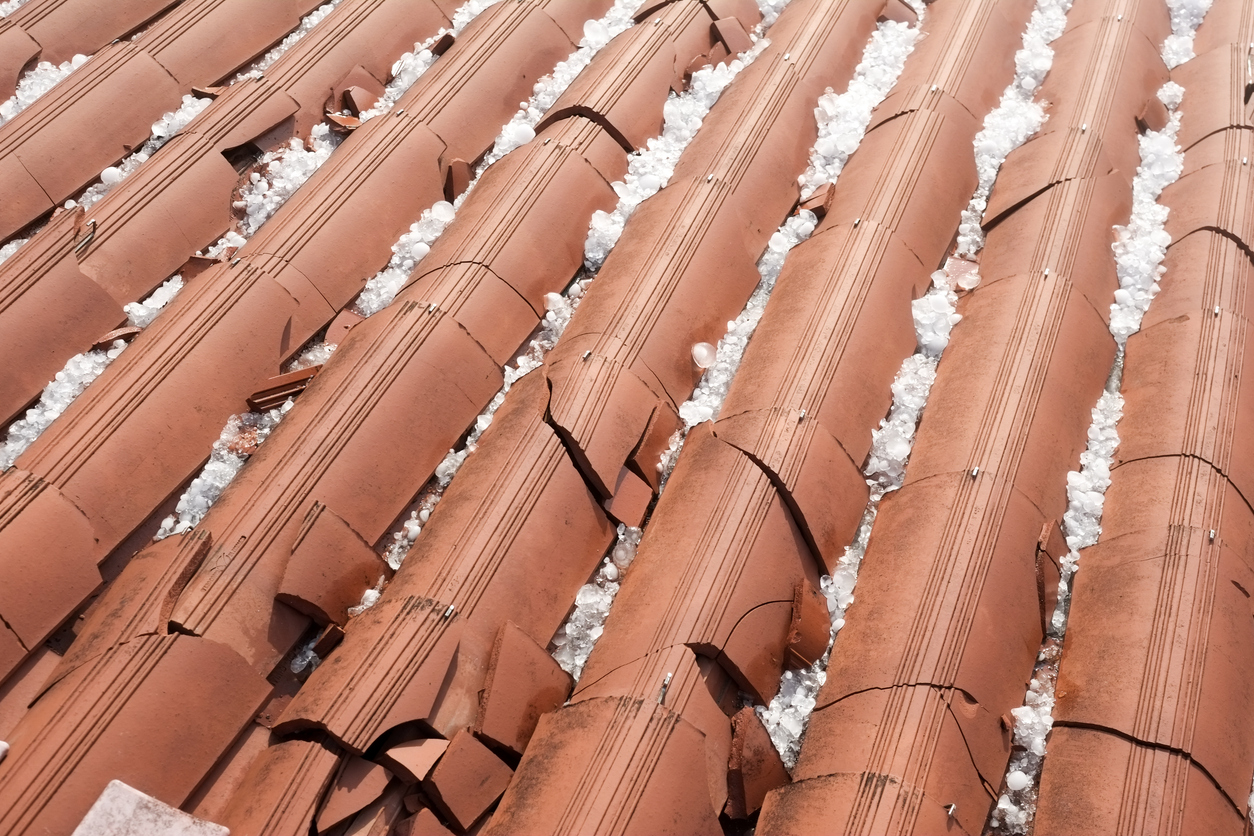
Chouteau sits in a part of Oklahoma where spring storms roll through with little warning and leave real damage behind. Because this area falls within Tornado Alley, colliding air masses make severe hailstorms a regular part of life, especially from April into early summer. Hailstones around 1 to 2 inches across are common, and that is more than enough to crack asphalt shingles or bruise the underlying mat in ways that are not always visible right after the storm. This kind of damage often stays hidden for months, quietly weakening your roof until water finally finds its way through, usually damaging the flashing or underlayment before you ever see a stain on your ceiling.
Hail damage does not fix itself, and the longer it goes without attention, the more your home is exposed to leaks and deterioration that turns a straightforward repair into something much more involved. The wide temperature changes that come with Oklahoma’s seasons also wear on shingles faster than most homeowners expect, shortening the lifespan of a standard asphalt roof. Getting your roof inspected quickly after a storm lets you know what you are dealing with before the damage spreads.
Capital Roofing works with Chouteau homeowners on exactly these situations, bringing local knowledge and hands-on experience to every inspection and repair. Whether the damage is isolated to a few areas or spread across the whole roof, the goal is to restore the protection your home depends on and keep small problems from becoming expensive ones.
Knowing what to expect makes the repair process easier to deal with, especially after a stressful storm. Here is exactly how Capital Roofing handles hail damage roof repairs for Chouteau homeowners.
Hail damage isn't always obvious from the ground. Understanding what inspectors look for helps you know why a complete roof inspection is important after any severe storm in this area.
Oklahoma hail stones tend to strike at angles rather than straight down. That is why different parts of your roof may show very different levels of damage, depending on how the storm moved through. A complete inspection looks at every slope to make sure nothing is missed before repairs begin.
A full repair after your roof has been damaged by hail involves more than just surface work. A reputable roofing contractor will take care of the entire roofing system, ensuring that every part of your roof is up to standard and ready for the next storm.
Damaged shingles can be replaced using four-nail fastening patterns and wind-resistant materials, which matters in a region where severe storms often bring in strong winds. Cutting corners on fastening during a repair leaves your roof vulnerable the next time a storm rolls through Chouteau.
When hail cracks or shifts shingles, the underlayment beneath them often takes damage too, and that layer is your last line of defense before water reaches your roof deck. Repairs include checking and restoring underlayment and starter strips so the full roofing system works together, not just the visible surface.
Ridge vents can be displaced or damaged by large hailstones, and a compromised vent affects both moisture control and the long-term health of your roof. As part of the repair, ridge ventilation is checked and corrected where needed to keep your attic properly ventilated year-round.
If your current shingles are nearing the end of their useful life or your roof has taken repeated hits, replacing damaged sections with Class 4 impact-resistant shingles is worth considering. These shingles are built to handle two-inch hail impacts and can reduce the likelihood of serious damage from future storms, which is a real advantage given how often hail moves through Mayes County.
Got questions about your roof? We’ve got answers. From maintenance tips to insurance claims and repair timelines, our FAQ section covers the most common concerns homeowners have. Get informed and make confident decisions about protecting your home.
Getting an inspection scheduled within a few weeks of the storm is strongly recommended, especially if the hail was large or winds were strong. Mayes County sees active storm seasons, and waiting too long means your roof is exposed to the next round of weather before you even know what the last one did. Hidden damage like bruised shingles or loosened flashing can let water in quietly, and catching it early keeps the repair needs much smaller.
Pipe boots, flashing around chimneys, and the granule surface of shingles on less visible slopes are the areas most often missed by homeowners doing a ground-level check. Damage concentrates on the slopes that faced the storm directly, and those are not always the sections you can easily see from your driveway. Soft metal parts like vents and gutter edges are also reliable indicators of hail size and often show evidence of impact long after shingles have dried and debris has washed away.
For a location like Chouteau, where hail moves through multiple times a year, the upgrade makes a real practical difference. Class 4 shingles are built to handle 2-inch hail impacts, which lines up closely with the hailstone sizes this region commonly sees during spring storm season. Beyond better durability, some homeowners also see a reduction in their insurance premiums after upgrading, so the long-term value of the investment goes beyond just the roof itself.