18795 Spring Creek Ln, Claremore, OK 74017

 (918) 260-4075
×
(918) 260-4075
×
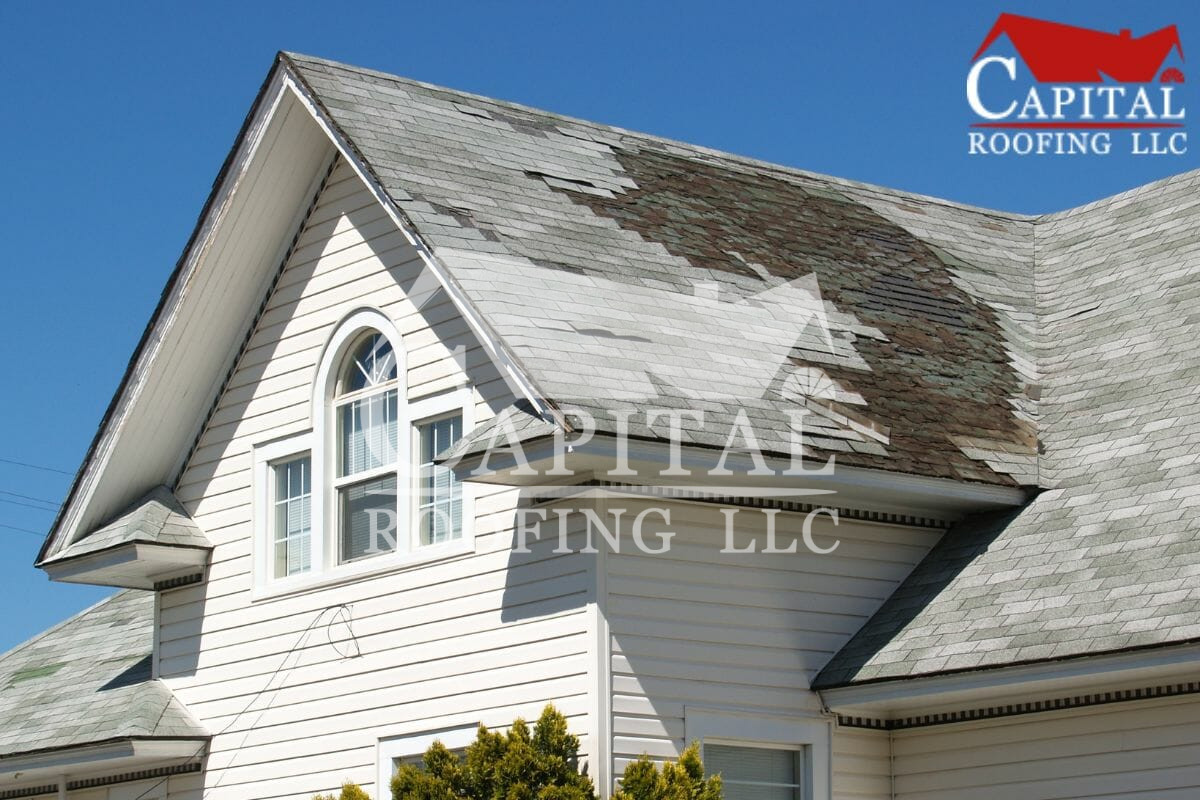
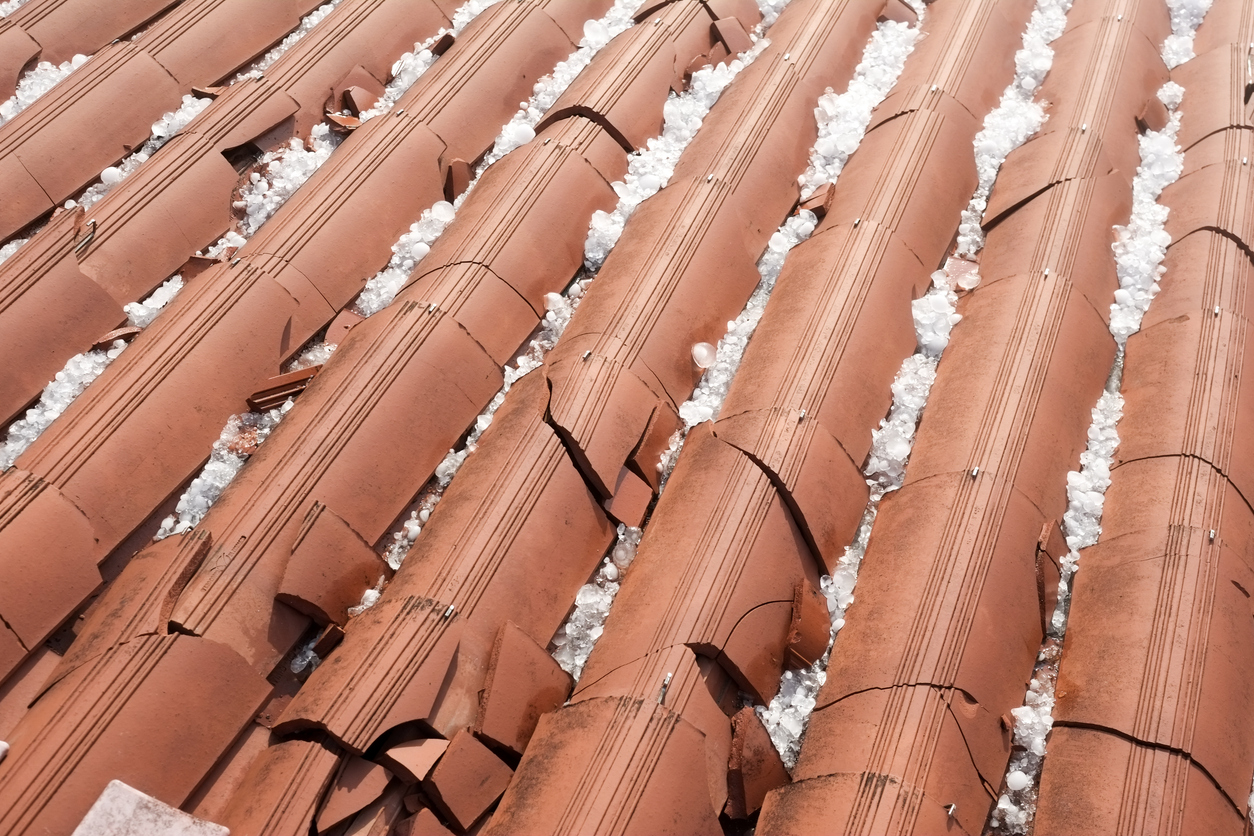
Chelsea sits squarely in Tornado Alley, and that means hailstorms are not a rare event here. They are a regular part of life. Hail shows up in the majority of local storms, and peak season runs through spring when the probability of a damaging storm is highest. What makes this especially tough on roofs is that the damage is not always obvious right away. Hail can crack the fiberglass mat beneath your shingles without leaving a mark you can spot from the ground. Months later, that hidden bruising turns into leaks, and by then a straightforward repair has grown into something much more involved. Summer heat only makes things worse, speeding up the breakdown of shingles that are already weakened from impact.
That combination of frequent hail, intense heat, and heavy rain creates real pressure on roofs across Chelsea, whether your home sits along the Route 66 corridor, near the Verdigris River, or out on a rural Rogers County property. Capital Roofing understands the specific wear patterns and vulnerabilities common to this area, and we bring that local knowledge to every job. A proper inspection after a hailstorm covers more than just your shingles. It includes flashing, vents, valleys, and the underlayment beneath, because that is where the real story of storm damage often starts.
Hail damage can be difficult to identify from the ground, especially when impacts affect shingles, flashing, and other roofing components differently. A detailed inspection helps determine which areas actually require repair.
Hail damage rarely looks dramatic from the ground, but the effects can be serious once you know where to look. Wind-driven hail strikes at sharp angles, which means the impact travels into the shingle rather than just skimming the surface. Understanding what gets damaged and why helps you make smarter decisions after any storm.
| Damage Type | What Causes It | Why It Matters |
|---|---|---|
| Fiberglass mat bruising | Hard hail impact beneath surface granules | Leads to leaks months later with no visible warning |
| Granule loss | Hail knocking protective granules loose | Exposes shingle surface to sun and heat, speeding breakdown |
| Flashing seal failure | Wind-driven hail loosening bonded edges | Opens gaps at valleys and vents where water enters |
| Underlayment weakening | Repeated impacts on older or worn material | Reduces the last layer of protection between the roof deck and interior |
Chelsea’s summer heat adds pressure on top of storm damage. Once granules are gone and the mat is cracked, temperatures that push well past 90 degrees Fahrenheit accelerate shingle oxidation and brittleness. Upgrading to Class 4 impact-resistant shingles after repairs is worth considering here, as they hold up far better against the size and frequency of hail this area sees regularly.
Gutters, downspouts, vents, and flashing caps are often the clearest evidence of hail size and force during a storm. We check every soft metal surface on your home for denting patterns that confirm impact severity and help pinpoint which roof areas absorbed the most stress.
Valleys and flashing joints are where water naturally collects and moves across your roof, making them the first place leaks develop after hail loosens bonded edges. We reseal these areas with materials rated for the heat and storm exposure that Chelsea roofs deal with year after year.
The underlayment sitting between your shingles and the roof deck is your home’s last line of defense against water. Older homes along the Route 66 corridor and rural Rogers County properties often have worn underlayment that hail impacts push past the point of reliable protection, so we address it directly rather than covering it over with new shingles.
While the roof is open during repairs, we take the opportunity to check that your attic ventilation is functioning correctly. Poor ventilation traps heat that speeds up shingle breakdown, and catching that issue during the repair keeps your new materials from wearing out ahead of schedule.
Chelsea’s spring storms can roll through fast, and the damage they leave behind does not always show itself right away. Waiting on repairs means hidden cracks and loose seals have more time to let water work its way in, and what starts as a targeted fix can grow into something far more involved. Getting your roof inspected and repaired soon after a storm is one of the most practical things you can do to protect your home and avoid far more expensive repairs down the road.
Capital Roofing is familiar with the wear patterns and storm history that come with roofing in this part of Oklahoma, and we bring that experience to every job we take on in Chelsea. If your roof took a hit recently, or you are not sure what shape it is in, we are happy to take a look and give you a straight answer. Reach out when you are ready, and we will take it from there.
Got questions about your roof? We’ve got answers. From maintenance tips to insurance claims and repair timelines, our FAQ section covers the most common concerns homeowners have. Get informed and make confident decisions about protecting your home.
Yes, smaller hail can damage asphalt shingles depending on how fast the wind is moving when it hits. Wind-driven hail strikes at an angle rather than straight down, which pushes the force deeper into the shingle and can crack the fiberglass mat underneath even when the surface looks fine. In Chelsea, where storms regularly carry strong winds alongside hail, size alone does not tell the whole story of what your roof absorbed.
Roof age and underlayment condition make a real difference in how well a roof holds up under impact. Older homes, particularly those in rural Rogers County or along the Route 66 corridor, often have worn underlayment and shingles that are already brittle from years of summer heat, so the same storm that barely affects a newer roof can do far more damage to one that was already weakened. Pitch, surrounding tree cover, and the direction a storm traveled can also shift how much impact specific areas of your roof absorb.
Late spring and early fall tend to work well because moderate temperatures allow roofing materials to seal and set correctly without the stress of mid-summer heat pushing past 100 degrees. That said, if your roof has open damage, waiting for a better season is not worth the risk since even a moderate rain can work through a compromised area fast. Repairs completed during cooler daylight hours in fall also tend to go smoothly, with materials bonding the way they are designed to.