18795 Spring Creek Ln, Claremore, OK 74017

 (918) 260-4075
×
(918) 260-4075
×
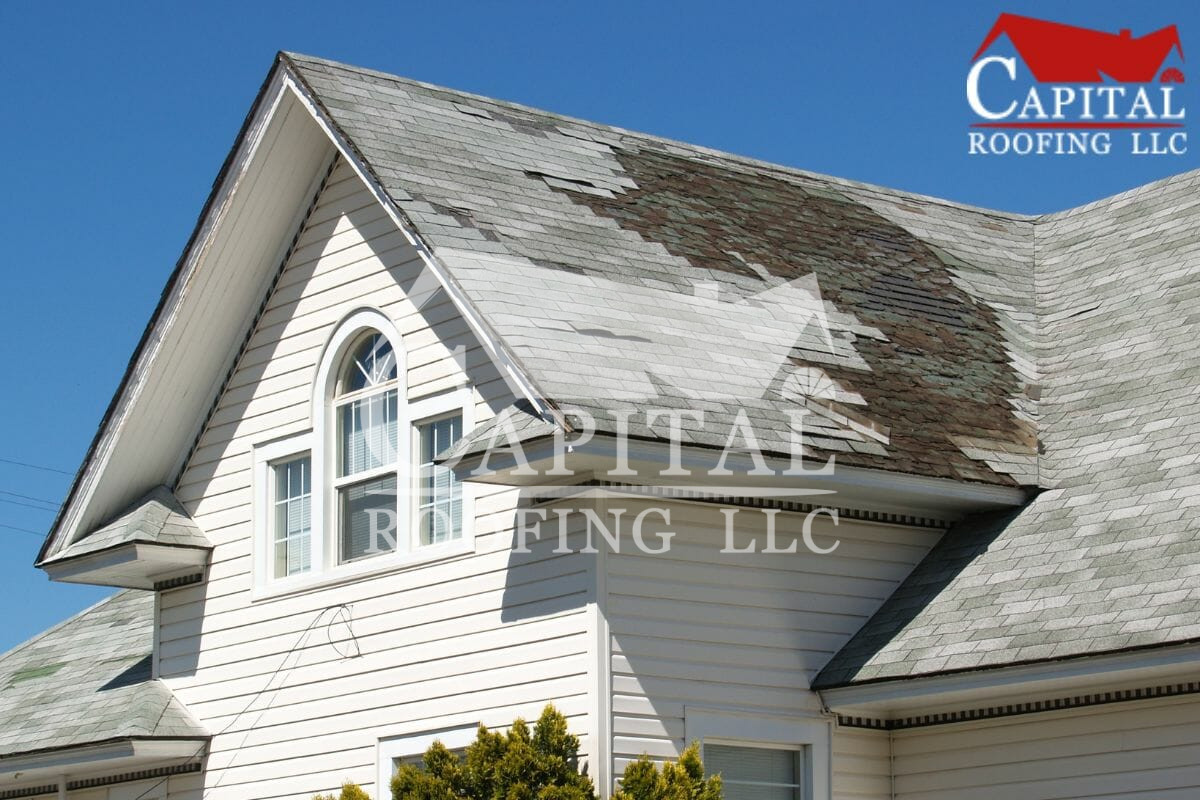
Catoosa sits in a region of the country that experiences severe weather throughout the entire year. Oklahoma ranks near the top nationally for hail frequency and intensity, and this corner of the state gets more than its share. What makes that especially tough on roofs here is the nature of wind-driven hail. It doesn't just crack shingles on the surface. It bruises the mat underneath, weakening your roof in ways you can't always see right away. Months can pass before a leak shows up on your ceiling, by which point the damage has already spread. Add in rapid temperature changes between seasons, and roofing materials here face a level of stress that most homeowners don't fully realize until something goes wrong.
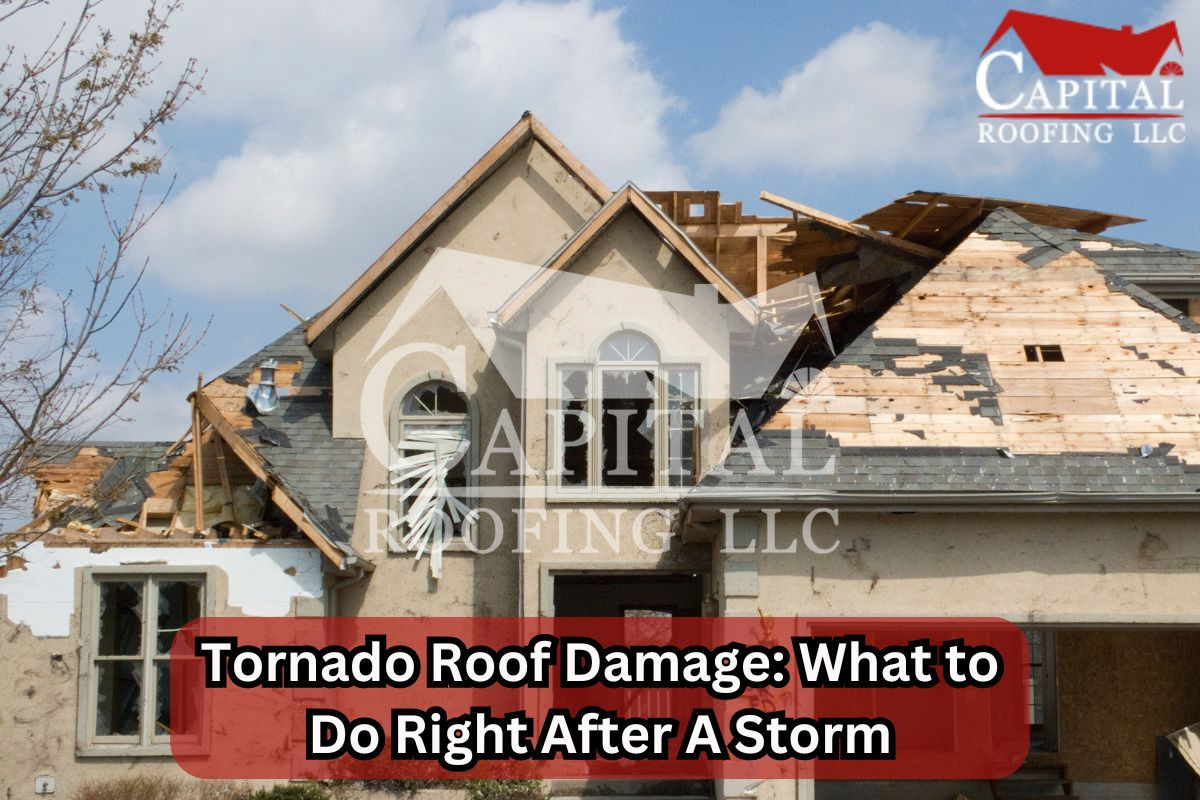
That's exactly why storm damage roof repair in Catoosa, OK requires a team that understands what these storms actually do to a roof. Capital Roofing works with homeowners across this area who are dealing with missing shingles, damaged flashing, lifted ridge caps, and leaks that trace back to a storm they'd almost forgotten about. Getting a proper roof inspection within 48 hours of a storm, once surfaces are dry, gives you the clearest picture of what you're dealing with and keeps your options open before problems grow.
Knowing exactly what happens from the first call to the finished repair takes the guesswork out of the roof repair process and puts you in control from the start.
After a storm rolls through, knowing exactly where to look on your roof can mean the difference between catching damage early and dealing with a much bigger problem later. Oklahoma storms hit roofs in predictable spots, and a complete inspection covers them all.
Catching damage across all these areas early keeps repair options open. Waiting too long, especially more than 30 days after a storm, raises the risk of moisture buildup and mold growth inside the roofing system.
An experienced contractor will resolve every issue found during a professional inspection, ensuring that your roof is fully protected before the next severe storm hits.
Permanent repairs use shingles and materials rated to handle the high winds that Catoosa regularly sees. This matters because replacing damaged shingles with standard materials that can't hold up to Oklahoma winds puts your roof right back at risk the next time a storm rolls through.
Wherever shingles are replaced, an ice and water shield is installed beneath the roof deck to protect your roof from the rapid temperature changes and moisture swings that come with Oklahoma's climate. This layer acts as an important backup barrier in the areas most likely to develop leaks between storms.
When your roof needs immediate protection before permanent repairs can begin, we use heavy-duty tarps rated for winds up to 120 mph to cover exposed areas. This keeps water out of your home while we finalize the repair plan, ensuring you're not left vulnerable in the time between storm damage and completed work.
Flashing around chimneys, pipe boots, roof valleys, and vents takes a beating during hail storms and is often the first place leaks start. We repair or replace damaged metal parts as part of the complete repair, not as an afterthought, because leaving dented or weakened flashing behind means your roof still has a weak point even after new shingles go on.
Got questions about your roof? We’ve got answers. From maintenance tips to insurance claims and repair timelines, our FAQ section covers the most common concerns homeowners have. Get informed and make confident decisions about protecting your home.
Hail in this part of Oklahoma is often driven by strong winds, which means it strikes shingles at an angle rather than straight down. That kind of impact can bruise and crack the mat beneath the shingle surface without leaving an obvious mark on top. Over time, that hidden damage breaks down, and leaks begin showing up on ceilings long after the storm has been forgotten. Inspecting the roof within a few weeks of a significant hailstorm is the best way to catch this before it becomes a bigger problem.
Gutters are one of the most overlooked indicators of roof damage after a storm. Heavy granule buildup following a hailstorm means shingles are losing their protective layer faster than they would from normal wear. You may also spot dents along the gutter body itself, which confirm the hail was large enough and forceful enough to leave marks on metal. Both of these signs point toward a roof that needs a closer look, even if everything looks fine from the ground.
After major storms, out-of-town contractors often show up at your door offering deals that sound too good to be true, including offers to waive your deductible, which is actually illegal in Oklahoma. A reputable local contractor can be verified through the Oklahoma Construction Industries Board online before any work begins. Local roofers also have a track record in the community and a reason to stand behind their work long after the storm passes, which traveling crews typically do not.