18795 Spring Creek Ln, Claremore, OK 74017

 (918) 260-4075
×
(918) 260-4075
×
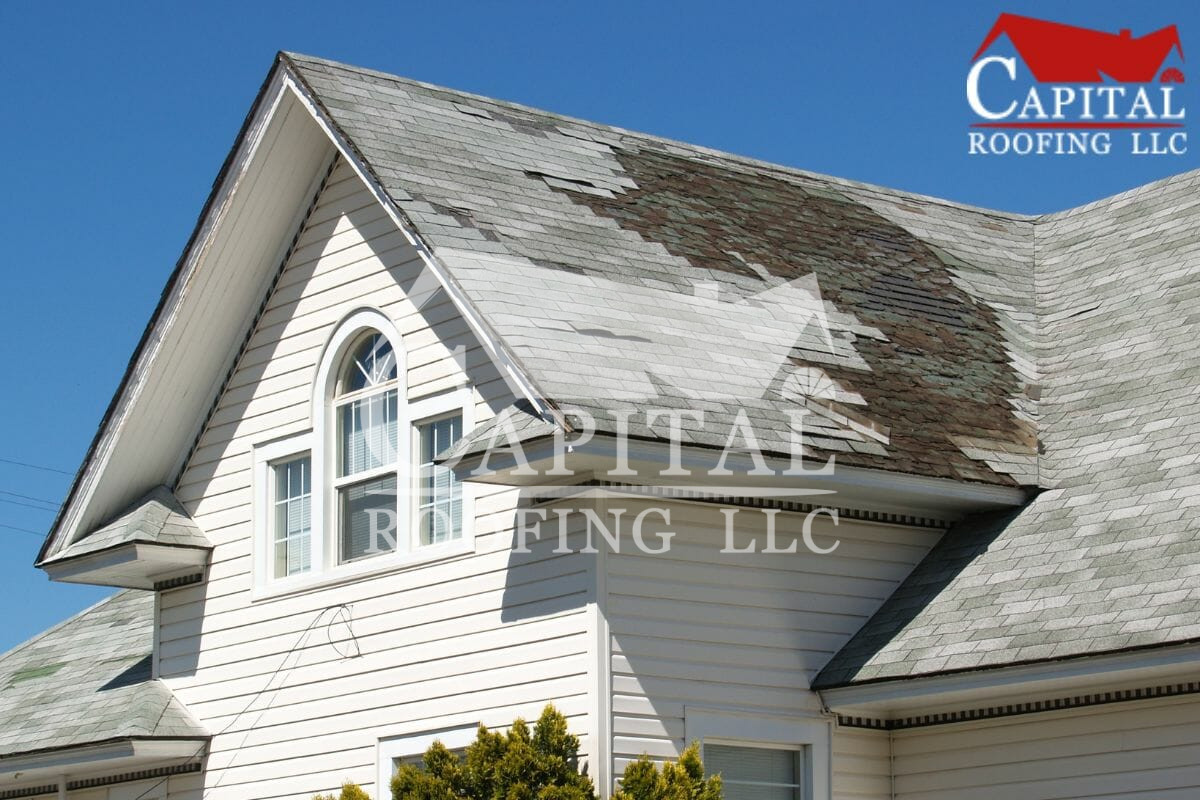
Roofs in Broken Arrow rarely get a break from the harsh weather conditions typical of this region of Oklahoma. The area sees two to three significant hailstorms most years, with spring being the most active period. Hailstones here commonly reach golf ball size, and that impact bruises shingles, strips granules, and weakens your roof in ways you cannot always see from the ground. Storm damage quietly accelerates roof failure and often stays hidden for months, until a water stain shows up on your ceiling long after the storm has passed.
That hidden damage is why timing matters so much after a storm. Getting a roof inspection done within 48 hours of a severe storm gives you the best chance of documenting what actually happened and scheduling a roof repair before the next round of rain or wind makes the problem worse. Broken Arrow also sees high winds and rapid temperature changes through fall and winter, which add stress to any roof that is already weakened. Ignoring even minor-looking damage, like a few cracked shingles or dented vents, can turn a small repair into a much bigger and more expensive project down the road.
Capital Roofing understands these local conditions and works with homeowners across Broken Arrow neighborhoods to protect their roofs with storm damage repairs that hold up to Oklahoma's severe weather. From resealing valleys to replacing damaged flashing, repairs are done to meet local code requirements and restore your roof's ability to protect your home.
Understanding the process beforehand helps make the entire project much smoother. Here is how Capital Roofing addresses storm damage roof repairs, from the initial call to the final inspection.
Not all storm damage is obvious, and that is part of what makes hailstorms in Broken Arrow stressful. You might walk outside after a storm and see a few dents in your gutters or some debris in the yard and assume everything is fine, but what is actually happening on your roof can tell a very different story.
| Damage Type | Where It Shows Up | Why It Matters |
|---|---|---|
| Granule loss | Shingles, downspouts, gutters | Exposes the asphalt layer to rain and UV, speeding up shingle breakdown |
| Shingle bruising | Flat shingle faces, concentrated areas | Weakens the roof beneath without immediately causing leaks |
| Cracked or displaced shingles | Valleys, ridgelines, steep sections | Opens gaps that trap rain and allow water to reach the roof deck |
| Damaged flashing | Around vents, skylights, chimneys | Flashing failures are a leading source of leaks after severe storms |
| Dented metal | Gutters, vents, metal valleys | Signals hail impact strong enough to have affected the shingles above |
Broken Arrow's roughly 43 inches of annual rainfall means any crack or weak spot left after a storm will eventually let water through. Damage that looks minor in June can show up as a ceiling stain by fall. Getting a complete inspection done quickly after a storm is the best way to catch these issues before they grow into something far more expensive to fix.
Once your roof’s damage has been fully assessed, a dependable roofing expert will properly fix and restore all damaged areas. To ensure high-quality results, the contractor will secure weak points, follow local permit regulations, and utilize weather-resistant products engineered for Oklahoma's harsh climate.
Not every shingle or flashing material holds up equally well against Oklahoma's hail and wind. Repairs are completed using materials rated to handle the conditions Broken Arrow sees regularly.
Roof valleys and flashing points around vents, chimneys, and skylights take the hardest hit during heavy rainfall. These areas are resealed as part of the repair to cut off the most common entry points for leaks before the next storm arrives.
Oklahoma's sharp temperature swings cause condensation to build on the roof deck, which weakens repaired areas from the inside if ventilation is off. A check of your attic ventilation is included so the repair holds up over time and does not break down prematurely from moisture trapped below.
Permanent storm repairs in Broken Arrow, including valley resealing, flashing replacement, and ventilation upgrades, often require a permit to meet local building codes. Capital Roofing handles the code compliance side of the work so your repair is done right and does not create issues down the line.
Got questions about your roof? We’ve got answers. From maintenance tips to insurance claims and repair timelines, our FAQ section covers the most common concerns homeowners have. Get informed and make confident decisions about protecting your home.
Hail damage often affects the shingle's underlying mat without immediately creating a visible opening. Granule loss and bruising weaken the surface gradually, and repeated storms push water through to the roof deck and into your home. Broken Arrow's consistent rainfall gives that process plenty of opportunity to run its course, which is why a roof that passed a quick visual check in April might be leaking by September.
Valleys and flashing points should generally be addressed first because they channel the most water and are the fastest to cause interior damage when damaged. Leaving a flashing failure near a skylight or chimney while prioritizing a more visible shingle section can result in a second repair call before the season is over.
Late spring into early summer tends to bring a surge in repair requests across the area as storm activity peaks, which means contractor schedules fill up faster than most homeowners anticipate. If your roof took damage in April or May, waiting a few weeks to call around can push your repair date well into the summer. Getting on a contractor's schedule quickly after a storm, even if the repair is not urgent, gives you more control over timing and costs.