18795 Spring Creek Ln, Claremore, OK 74017

 (918) 260-4075
×
(918) 260-4075
×
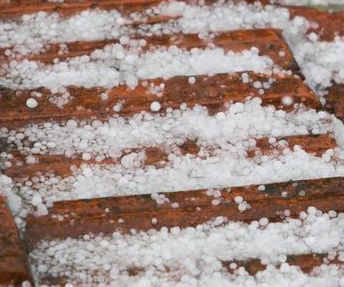
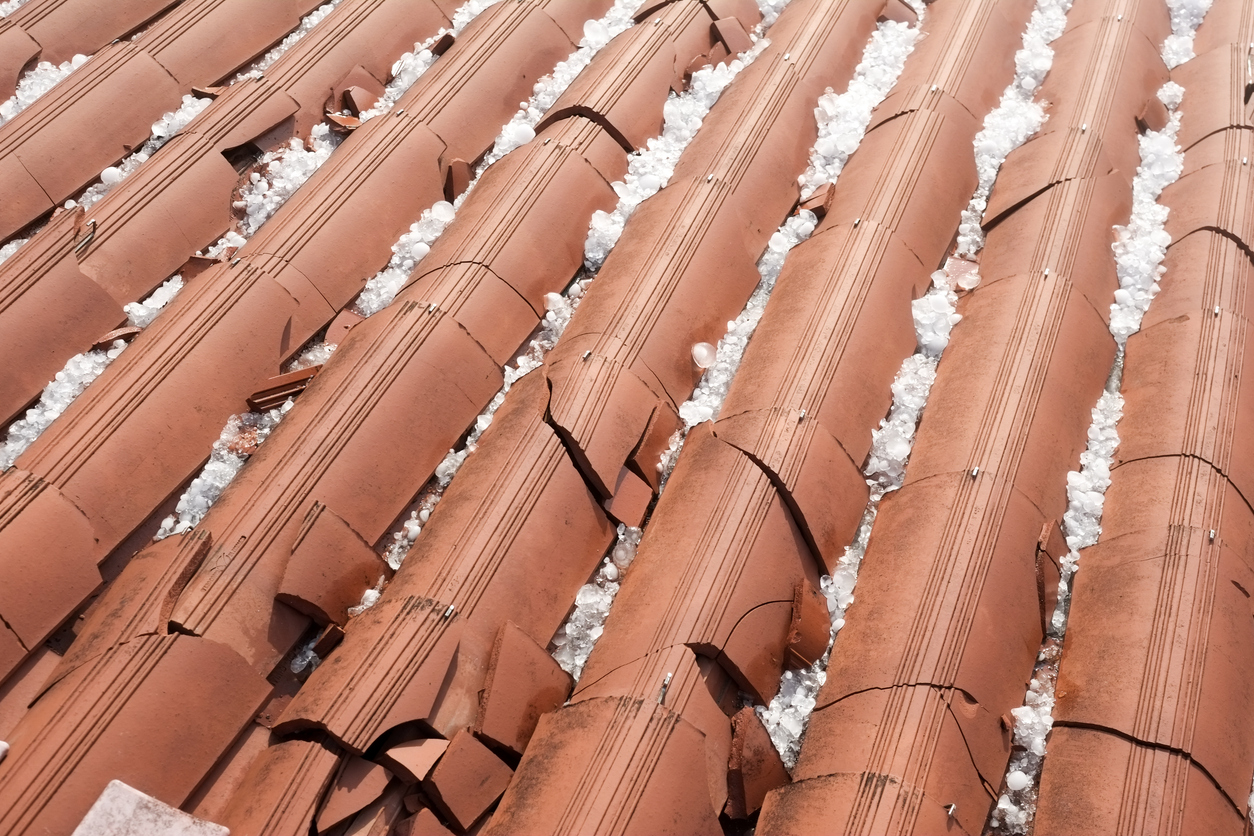
Broken Arrow sits right in the path of some of Oklahoma's most active storm corridors, and spring brings that reality home fast. Hailstones as small as an inch across can strip granules from asphalt shingles, crack surface material, and compromise the seal along the edges where your roof is most exposed. Because most homes here rely on asphalt shingles, that vulnerability is widespread. What makes hail damage especially tricky is that it rarely looks dramatic from the ground. A storm can leave one section of your roof with minor scuffing while the adjacent area takes real structural hits, and you won't know the difference until water starts showing up inside your home.
That's exactly where Capital Roofing comes in. We work specifically in the Broken Arrow area, which means we understand how these storms move across flat to gently rolling terrain with nothing to break the impact. No tree line or hillside is protecting most neighborhoods here, so hail hits roofs evenly and hard. Our team knows what to look for after a storm, from granule loss and bruised shingles to dented flashing and vents that quietly allow leaks to develop over time. Getting a proper hail damage inspection and repair done quickly after a storm matters. The longer damaged shingles sit exposed to Oklahoma's summer heat and wind-driven rain, the faster a straightforward repair turns into something far more involved.
Replacing storm-damaged roofing materials can feel overwhelming when you do not know what the process actually involves. Here is exactly how BRH Enterprises LLC handles residential hail damage roof repair from the initial inspection through the final walkthrough.
Not all hail damage is the same, and understanding what you're dealing with helps you make better decisions after a storm. Some impacts are obvious, while others hide beneath the surface and quietly cause problems for months before you notice anything inside your home.
| Damage Type | What Causes It | Why It Matters |
|---|---|---|
| Granule loss | Hailstone impact scraping the shingle surface | Exposes the asphalt layer to UV and wind-driven rain, accelerating wear |
| Shingle bruising | Direct impact compressing the mat beneath the surface | Weakens structural integrity even when the shingle looks intact |
| Cracked or fractured shingles | Larger hailstones striking at high velocity | Creates direct openings where water can reach the roof decking |
| Compromised shingle seals | Impact breaking the adhesive strip along the shingle edges | Allows wind to lift shingles and water to get underneath |
| Dented vents and flashing | Hail striking metal parts directly | Creates gaps around gaps that lead to leaks over time |
Damage often varies across a single roof from the same storm, which is why a thorough inspection matters. Catching these issues early keeps a repair straightforward and protects your home before the next round of Oklahoma weather arrives.
When damaged sections are replaced, the new shingles are matched as closely as possible to your existing roof in color, profile, and weight. This matters because a patched roof that looks noticeably mismatched can affect your home's curb appeal and resale value just as much as the damage itself.
If hail impact has weakened or cracked the roof decking beneath your shingles, that damage gets addressed directly before new material goes down. Skipping this step leaves your roof vulnerable to soft spots and leaks, no matter how good the new shingles look on top.
Dented or displaced flashing around chimneys, pipes, and roof edges is repaired or replaced as part of the job, not left as an afterthought. These metal parts take direct hits during hailstorms, and gaps left around them are a common source of leaks that show up weeks after the visible shingle damage has already been fixed.
If your roof is actively exposed after a storm and repairs can't start immediately, temporary tarping protects your home from further water entry in the meantime. Oklahoma's spring weather doesn't wait, and keeping your interior dry while the work is being scheduled is a practical step that prevents a bad situation from getting worse.
Oklahoma's spring storm season doesn't slow down, and roofs that take a hit during one system can be weakened enough to struggle through the next one. Getting hail damage repaired quickly keeps a minor repair from growing into something that affects your roof decking, your ceilings, or the value of your home. The sooner damaged shingles and flashing are addressed, the better your roof is positioned to handle whatever comes next.
Capital Roofing has the local experience to identify what your roof actually needs after a storm and handle the repair correctly the first time. If you've had a recent hailstorm and you're not sure what kind of shape your roof is in, reaching out for an inspection is a straightforward next step. We serve homeowners throughout the Broken Arrow area and are happy to take a look and give you a clear picture of where things stand.
Got questions about your roof? We’ve got answers. From maintenance tips to insurance claims and repair timelines, our FAQ section covers the most common concerns homeowners have. Get informed and make confident decisions about protecting your home.
Hail damage doesn't improve with time, and older impacts are absolutely still worth addressing. In fact, granule loss and compromised seals from a storm last spring may have already allowed accelerated wear through Oklahoma's summer heat and wind-driven rain, making an inspection now more urgent, not less. A contractor can document the damage and confirm whether it traces back to a specific storm, which matters for your records regardless of the timing.
Targeted repairs to specific sections are common when the rest of the roof is structurally sound and the damage is isolated. A thorough inspection will map out exactly where the impacts caused real harm versus where the shingles are holding up fine, and the scale of work follows that picture. Replacing only what actually needs replacing is the right call in most situations, and a contractor who recommends more than that without clear justification is worth questioning.
Hailstones rarely fall straight down. They travel with wind direction, which means one slope of your roof can take the brunt of an impact while an adjacent slope comes through nearly untouched. Broken Arrow's flat terrain offers nothing to redirect storm tracks, so wind-driven hail often hits at a consistent angle across entire neighborhoods, concentrating damage on one exposure. This is why a complete inspection covers every section rather than stopping once visible damage is found in one area.