

Roof Valley Protection: Essential Prevention Strategies for Oklahoma Homeowners
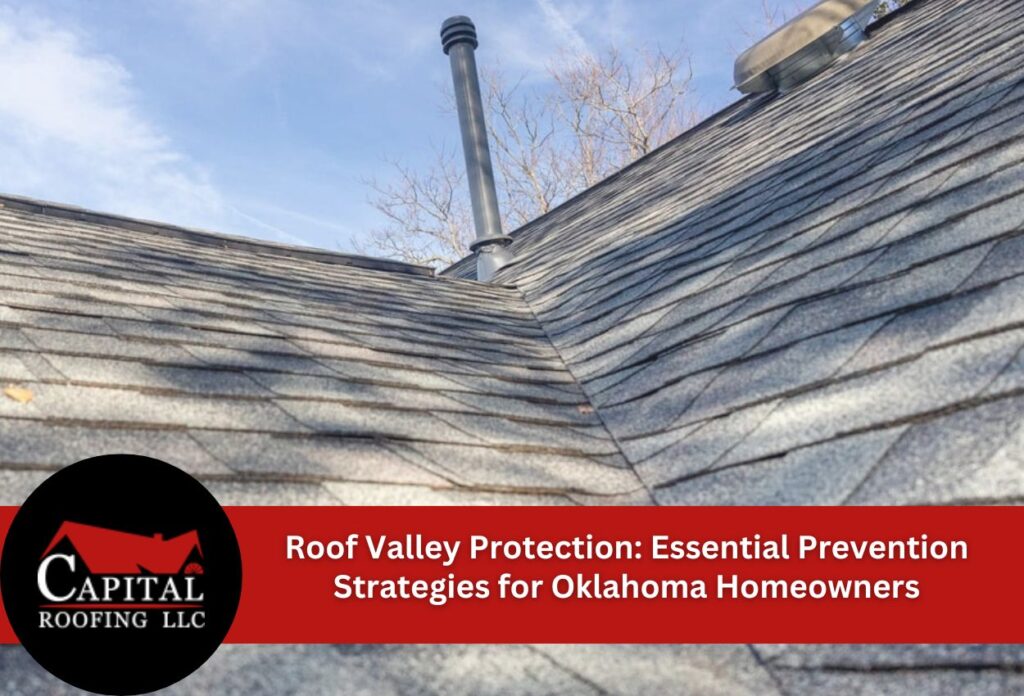
Roof valleys are among the most vulnerable areas of any home’s roofing system, especially in Claremore and throughout Oklahoma, where heavy rainfall and seasonal storms are common. These V-shaped intersections, where two roof planes meet, naturally collect more water than other roofing areas, making them prime locations for leaks to develop when not properly maintained or installed.
For Oklahoma homeowners, understanding roof valley leak prevention isn’t just about avoiding a minor inconvenience — it’s about protecting one of your largest investments. When water penetrates through compromised valleys, it can cause extensive damage to your attic, insulation, ceilings, and interior walls. What might start as a small drip can quickly escalate into thousands of dollars in structural repairs.
Correctly installed valley flashing, regular maintenance, and immediate repairs are critical components of an effective roof protection strategy. Metal valley protection systems and appropriate sealing techniques significantly extend your roof’s lifespan while preventing water damage. With Oklahoma’s unpredictable weather patterns, having well-maintained roof valleys creates a reliable defense against moisture intrusion throughout every season.
Generally, homeowners who implement preventive measures for their roof valleys experience fewer emergency repairs and enjoy greater peace of mind during severe weather events. These prevention strategies represent a small investment that delivers substantial returns in both roof longevity and home protection.
Understanding Roof Valley Vulnerabilities: Common Causes of Leaks
Roof valleys often fail due to three primary factors that Oklahoma homeowners should be aware of. First, debris accumulation is particularly problematic in Claremore and surrounding areas. Fallen leaves, twigs, and other materials collect in valleys, trapping moisture against roofing materials and creating perfect conditions for rot and deterioration. This debris prevents proper water drainage, forcing moisture under shingles and into your home.
Second, improper installation is a significant vulnerability. When valley flashing isn’t correctly overlapped, secured, or sealed during the initial roof installation, it creates entry points for water. Even small installation errors can lead to major leaks during Oklahoma’s heavy spring downpours.
Third, aging materials naturally deteriorate over time. Metal valley flashing can corrode, protective sealants can crack, and surrounding shingles can lose their water-resistant properties after years of exposure to harsh Oklahoma weather conditions.
Homeowners should watch for several warning signs that indicate potential valley problems. Water stains on interior ceilings or walls near roof intersections often signal valley leaks. Missing, damaged, or curling shingles along valley edges suggest vulnerability to water penetration. Visible rust on metal valley flashing, cracks in sealant, or granule loss in valley areas are all red flags that require prompt professional attention to prevent roof valley leaks from causing extensive damage to your home.
Professional Valley Flashing Installation Techniques
Selecting the right valley flashing material is crucial for Oklahoma homes facing extreme weather conditions throughout the year. Aluminum flashing is lightweight and corrosion-resistant, making it a popular choice for many Claremore homes. Galvanized steel stands strong against Oklahoma’s occasional hailstorms, though it may eventually rust. Copper flashing, while more expensive, provides unmatched longevity and develops a protective patina that makes it exceptionally weather-resistant for decades.
Professional roofers begin valley installations by applying a high-quality ice and water shield underlayment that extends at least 18 inches from the valley center on both sides. This creates a waterproof barrier beneath the flashing. The metal valley flashing is then centered and secured with appropriate fasteners placed high on the edges, never through the center where water flows. Proper installation requires a minimum 6-inch overlap between flashing sections, always arranged so that upper pieces overlap lower sections to prevent water intrusion.
For optimal roof valley leak prevention, professional installers maintain consistent expansion gaps between shingles and the valley center. This careful spacing prevents debris buildup while allowing proper water flow. Many Oklahoma roofing contractors also apply special sealants at critical junction points to enhance protection against driving rain. These meticulous installation techniques create valley systems that effectively channel water away from vulnerable roof intersections, providing essential protection against water damage to your home.
DIY Maintenance Tips for Extending Valley Performance
Maintaining your roof valleys doesn’t always require professional intervention. With some simple DIY maintenance, Claremore homeowners can significantly extend the lifespan of their roof valleys and prevent leaks. Regular attention to these critical roof areas is especially important in Oklahoma, where seasonal weather changes put extra strain on roofing systems.
Start with a seasonal maintenance routine that includes cleaning valleys using a soft-bristled brush or leaf blower to remove debris, working from the top down. Never use pressure washers, which can damage shingles and force water under roofing materials. During fall, clear valleys of leaves and twigs at least monthly to prevent water damming that can back up under shingles during winter precipitation.
Homeowners can conduct basic inspections safely from the ground using binoculars to spot missing shingles, visible rust on flashing, or debris accumulation in valleys. From inside your attic, check for water stains, dampness, or light penetration along valley areas during the daytime. Look for signs of moisture after heavy rainfall, which may indicate early stages of valley failure before significant damage occurs.
Apply appropriate sealants to small cracks in valley flashing when weather permits, but know your limits — extensive valley repairs should be left to professionals. By implementing these simple maintenance practices, you’ll extend your roof’s protection while reducing the likelihood of emergency repairs during Oklahoma’s storm seasons.
Advanced Metal Valley Systems for Maximum Protection
When it comes to roof valley leak prevention, the construction method you choose can make a significant difference in your home’s protection against Oklahoma’s unpredictable weather. In Claremore, homeowners have two primary roof valley construction options to consider: open and closed systems. Open valleys leave metal flashing exposed, creating a clear channel for water to flow quickly off the roof. This design excels on steeper roofs common in newer Claremore neighborhoods, allowing for superior drainage during heavy downpours and preventing debris accumulation.
On the other hand, closed valleys cover the metal flashing with shingles for a more seamless look. While aesthetically pleasing, this method works best on moderately pitched roofs in protected areas with minimal tree coverage. Many Claremore homes benefit from a hybrid approach, with open valleys on north-facing sections where moisture lingers longer and closed valleys on more visible southern exposures.
For maximum valley protection, consider premium materials now available to Oklahoma homeowners. Copper and stainless steel valleys offer exceptional longevity, often outlasting multiple shingle replacements. High-performance synthetic underlayments provide additional moisture barriers beneath metal flashing, creating multi-layered protection. Some advanced valley systems incorporate self-adhering ice and water shields, preventing water infiltration even during icy winter conditions. These premium solutions represent a small percentage of total roofing costs but provide disproportionate protection against water damage in these critical areas.
Professional Sealing Techniques for Existing Valley Issues
When minor roof valley leaks develop, professional sealing techniques can often provide effective solutions. For Claremore homeowners facing valley issues, professional-grade sealants offer a cost-effective first line of defense. Roofing contractors typically use elastomeric roof sealants or butyl rubber compounds specifically designed to adhere to metal flashing and shingles while remaining flexible through Oklahoma’s temperature fluctuations.
Application techniques are critical for effective valley sealing. Professional roofers begin by thoroughly cleaning and drying the valley area, removing all debris and contaminants that would prevent proper adhesion. For hairline cracks in metal flashing, a professional may apply seam tape topped with liquid sealant. For separating valley edges, roofing cement reinforced with embedded fabric creates a waterproof membrane that bridges larger gaps while maintaining flexibility.
However, not all valley issues can be resolved through sealing. Professional roofers evaluate several key factors when determining appropriate repairs. When rust has compromised more than 20% of metal valley flashing, complete replacement is typically necessary. Similarly, if the underlying decking shows signs of water damage or rot, sealing alone won’t solve the problem. Valleys with improper pitch or those showing evidence of damage from ice dams generally require reconstruction rather than surface sealing.
Working with certified roofing professionals ensures proper assessment of your roof valleys and appropriate repair recommendations, helping you choose the most effective long-term solution for preventing roof valley leaks.
Developing a Long-Term Valley Protection Plan for Oklahoma Homes
Creating a sustainable roof valley protection strategy is essential for Oklahoma homeowners facing our region’s challenging weather patterns. In Claremore, where seasonal transitions bring everything from spring thunderstorms to winter ice events, roof valleys require specialized attention through structured maintenance. A comprehensive protection plan not only prevents emergency repairs but also significantly extends the overall lifespan of your entire roofing system.
Begin by establishing a seasonal maintenance schedule aligned with Claremore’s weather patterns. Spring inspections should focus on repairing any damage from winter ice and snow, while fall maintenance should emphasize clearing valleys of debris before winter arrives. Document each inspection with photos to track changes in your valley conditions over time, creating a visual record that helps identify developing issues before they cause leaks.
Consider working with a reputable Claremore roofing contractor to develop a routine maintenance plan. These professional arrangements typically include regular inspections focusing specifically on valley flashing, sealant integrity, and shingle condition along valley edges. Many local contractors offer priority scheduling for maintenance agreement customers, ensuring immediate interventions during storms when roof valley leaks are most likely to develop.
The most effective valley protection plans include budgeting for periodic resealing of valley flashing every few years, even when no visible issues exist. Proactively sealing roof valleys against water damage creates a continuous protective barrier that prevents small vulnerabilities from developing into major leaks that damage your home’s interior.
Trust Capital Roofing’s Expert Valley Leak Prevention Services
Don’t wait for the next heavy rainfall to find out if your roof valleys can hold up against Oklahoma’s severe weather. At Capital Roofing, we specialize in preventing and repairing roof valley leaks that can lead to expensive water damage and repairs. Our team uses industry-leading materials and proven techniques to safeguard your home.
Whether you’ve spotted early warning signs of wear or simply want to take proactive steps towards roof maintenance, Capital Roofing is here to help. Our experts are skilled in both modern and traditional valley flashing methods that suit all types of residential roofs.
Call us today at (918) 260-4075 to schedule a consultation or to learn more about our valley maintenance and repair options. Protect your home by trusting the professionals at Capital Roofing!