


In the world of roofing, there’s a section on the roof called the roof valley. It’s an unassuming junction where two slopes meet, shaping the path that rainwater will take off the roof. Among the contenders for this pivotal role, metal roof valleys stand as the most durable. The residential metal roofing market has experienced significant growth, with annual increases of 15-20% as homeowners recognize the long-term value of quality materials. Understanding metal roof valleys and their benefits can help protect your home while adding value to your property.
Key Takeaways: Metal Roof Valleys
- Prevent Costly Damage: Valley repairs cost $200-$900, but neglected leaks lead to $15,000-$20,000 in structural damage and mold remediation.
- Steel Dominates Market: Steel accounts for 40-45% of metal roof valley installations, offering 30-50 year durability at budget-friendly prices.
- Coastal Homes Choose Aluminum: Aluminum flashing resists rust for 40-60 years, making it ideal for high-humidity and salty coastal environments.
- Flashing Failure Causes Leaks: 55-65% of recurring roof leaks stem from flashing failure, so proper metal valley installation is critical.
What Is A Metal Roof Valley?
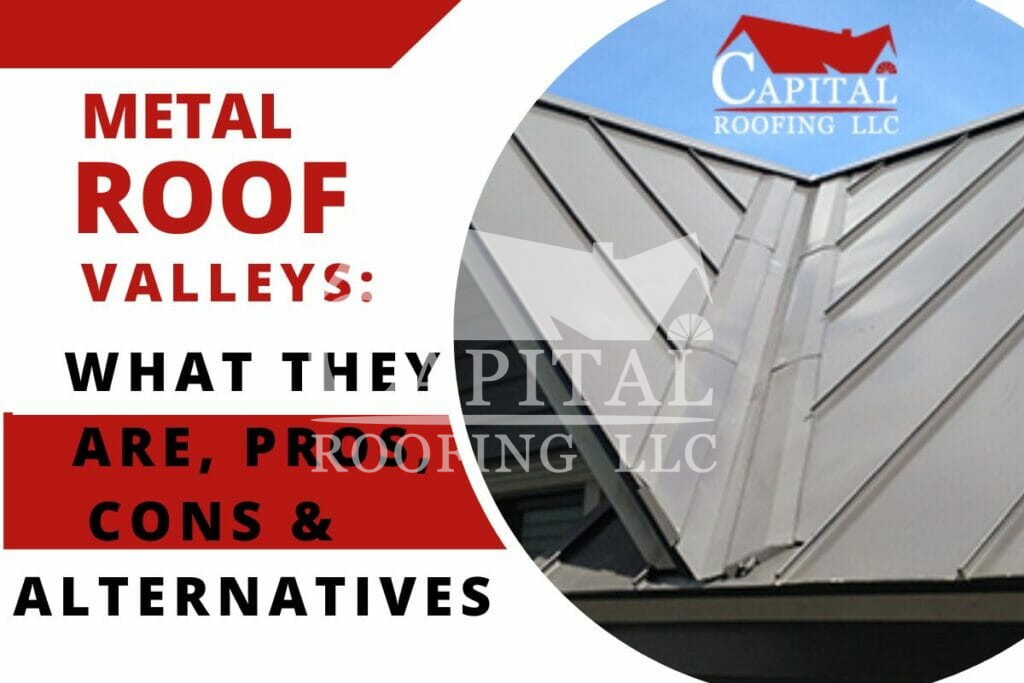
A valley is a critical architectural feature in roofing that refers to the V-shaped intersection on a roof. It is typically formed when two sloping roof planes come together, creating a valley-like channel along the junction.
When we describe a metal roof valley, we’re describing a roof valley that utilizes metal flashing. Though flashing doesn’t have to be made of metal, it’s a good option to efficiently channel rainwater and melted snow away from the roof to prevent leaks and water damage. Following a metal roof valley installation guide can further ensure proper placement and long-term performance. This quality installation matters because 55-65% of recurring roof leaks are caused by flashing failure.
Types Of Metal Roof Valleys
There are mainly two different types of roof valleys: open and closed valleys. Though you might get an idea of how they differ based on their names, there are still some things that you should know, so let’s dive in.
Open Valleys
IImagine open valleys as the more visible, straightforward approach. In an open valley design, the roofing materials on both sides of the valley do not cross over the valley. Instead, there’s a gap or channel left between them, exposing the metal valley flashing beneath. Open valleys require precise installation to ensure they look clean and function effectively.
Closed Roof Valleys
Closed valleys, on the other hand, take a more concealed approach. In this design, the roofing material on one side of the valley overlaps the other side, completely covering the metal roof valley flashing underneath. Therefore, the roofing material you choose will cover the valley flashing, ensuring a clean appearance. This is just the opposite of an open valley, where the metal is exposed.
Benefits Of Using Metal Roof Valley Flashing
Metal is a hit when it comes to home exteriors. Be it roofing or siding, metal has immense popularity. The same is the case when we talk about roof valleys and valley flashing. Here are some benefits.
1. Durability
Metal roof valleys are built to be tough and resilient. They can handle hail without denting, stand strong against fierce winds, and even last under intense UV rays.
2. Great At Water Diversion
Metal roof valleys efficiently channel rainwater and snowmelt away from the roof’s surface, reducing the risk of leaks and water damage. Along with other essential roofing system components, metal roof valleys help maintain the integrity of your roof and protect your home from water intrusion.
3. Low Maintenance
Metal roof valleys are generally low-maintenance. While they may require occasional inspections and protective sealant to prevent corrosion, proper roof valley repair and maintenance can help catch flashing damage, leaks, and other issues before they worsen. This maintenance is vital to avoid becoming part of the 35-45% of U.S. homes with roofs in moderate or poor condition, which experience 55-65% higher insurance losses.
Materials Used To Create Metal Roof Valley Flashing
Let’s take a closer look at the types of metal that can be used for metal roof valley flashing. The same types of metals that are used for the siding or roof of your home are the same ones that are used to flash roof valleys, too.
| Material | Durability | Cost Range | Market Share | Best For |
|---|---|---|---|---|
| Steel | 30-50 years | $ | 40-45% | Budget-conscious projects, general residential use |
| Aluminum | 40-60 years | $-$$ | — | Coastal areas, corrosion resistance priority |
| Copper | 70-100+ years | $$ | — | Premium projects, historic homes, longevity priority |
| Zinc | 60-80 years | $$-$$ | — | Sustainable builds, modern aesthetics, self-healing properties |
Here are the most common ones:
Aluminum
If you’re after a lightweight yet sturdy option, aluminum flashing is your best option. It won’t weigh your roof down, and it’s impressively resistant to rust, which makes it ideal for areas with high humidity, coastal locations, or anywhere prone to salty air. Plus, its ease of installation can save you on labor costs.
Steel
When it comes to sheer strength, steel is the leader. It can handle heavy snow loads and the occasional acorn or branch falling from that tall oak tree. Steel accounts for 40-45% of the metal roofing market, making it the most popular choice among homeowners. However, the issue lies in the fact that steel can rust if it’s not coated or painted properly. So, it’s a good idea to invest in a protective coating to keep it looking good and performing well.
Copper
Now, if you’re all about a timeless, classic look, copper will be your go-to choice. This metal ages beautifully, and will add tremendous value to your roof. It’s also naturally resistant to corrosion, which means you won’t need to worry about it rusting. Copper falls on the more expensive side of all these options, so ensure your budget is large enough if you want to use copper to flash your metal roof valley.
Lead
Now, for those who want a classic yet durable option, consider lead. Though many view it as a dangerous material, lead has been used in roofing for centuries, has a proven track record, and is now only utilized for flashing purposes. It’s highly malleable, allowing for intricate detailing in your roof valleys. While it’s a bit on the heavier side, lead is exceptionally durable and resistant to corrosion.
What Roofing Material Is Compatible With Metal Roof Valley Flashing?
Metal is the greatest material to flash the valley of your roof. Metal roof valleys offer many benefits, and they’re compatible with different types of roofing material as well. Let’s check out the roofing materials that can be used with metal flashing.
1. Asphalt Shingles
Asphalt roofing shingles are commonly used due to their affordability and ease of installation. They can effectively divert water away from the roof and provide decent protection against leaks.
2. Wood Shakes & Shingles
Wood shakes or shingles are often used for their natural and rustic aesthetic appeal. They can be installed in an open or closed valley configuration.
3. Slate Roofs
Slate is a premium roofing material known for its elegance and longevity. It can be installed in an open or closed valley configuration to provide a durable and attractive solution. But slate is quite expensive.
Cost of Repair vs. Neglect
Understanding the financial impact of valley maintenance can help homeowners make informed decisions about their roofing investment. The difference between proactive repair and ignoring valley problems is dramatic.
| Scenario | Typical Cost Range | Timeline | What’s Included |
|---|---|---|---|
| Valley Repair (Proactive) | $200-$900 | 1-2 days | Flashing replacement, minor sealant work, labor |
| Neglected Leak Damage | $15,000-$20,000 | 1-3 weeks | Structural repairs, mold remediation, insulation replacement, drywall, valley repair |
The numbers speak for themselves. Valley repairs typically cost between $200-$900, while structural damage from neglected leaks can reach $15,000-$20,000. Regular inspections and prompt repairs save thousands of dollars and weeks of disruption to your home life.
Capital Roofing: Your Residential Roofing Experts
Whether you want to know more about metal roof valleys or need help with a different roofing project, look no further than the team at Capital Roofing. We offer the best repair and roof replacement services in Claremore. Contact us today at (918) 260-4075, and find out how we can help you!
How often should metal roof valleys be inspected for potential problems?
Metal roof valleys should be inspected at least twice yearly—once in spring and once in fall—to catch issues before they escalate. Additionally, inspect after severe weather events like hailstorms or heavy winds. These proactive checks help identify loose flashing, sealant deterioration, or debris accumulation that could compromise water diversion.
Can I install metal valley flashing on an existing roof without replacing the entire roof?
Yes, metal valley flashing can be retrofitted onto existing roofs during repairs or partial replacements. This upgrade is particularly beneficial for roofs with failing fabric or rolled roofing valleys. A qualified contractor can assess whether your current roof structure supports the installation without requiring complete tear-off.
What signs indicate my metal roof valley is failing and needs immediate attention?
Watch for water stains on interior ceilings near valley areas, visible rust or corrosion on the flashing, loose or separated flashing edges, and excessive debris buildup. Peeling paint on nearby walls or musty odors in your attic also signal potential valley problems requiring prompt professional evaluation.
Do metal roof valleys work differently in climates with heavy snow versus high rainfall?
Metal valleys excel in both conditions but require different considerations. In snowy regions, wider valleys and ice-dam prevention measures help manage melt runoff. High-rainfall areas benefit from steeper valley angles and enhanced sealant application. Your contractor should design the valley system based on your specific climate challenges.
What maintenance tasks can homeowners safely perform on metal roof valleys?
Homeowners can safely clear leaves and debris from valleys using a roof rake from ground level and flush valleys with a garden hose during dry weather. However, avoid walking directly on valleys or attempting sealant repairs yourself. Professional contractors should handle all structural inspections and flashing adjustments.