

When it comes to protecting and maintaining your home’s exterior, fascia replacement is a crucial task that often flies under the radar until problems arise. As a homeowner, understanding the average cost of fascia replacement is important for proper budgeting.
Generally, you can expect to pay between $5 and $40 per linear foot for fascia replacement for your building. For most homeowners, total project costs typically range from $900 to $10,000. The exact cost within this range depends on certain other factors that we will cover below.
If you are looking for a custom quote for your roofing or exterior project in Claremore, OK, or the nearby areas, feel free to call us at (918) 260-4075.
The Importance of Fascia and Why Replacement Matters
Before we start with the cost factors, understanding what fascia is and why timely replacement is necessary is essential.
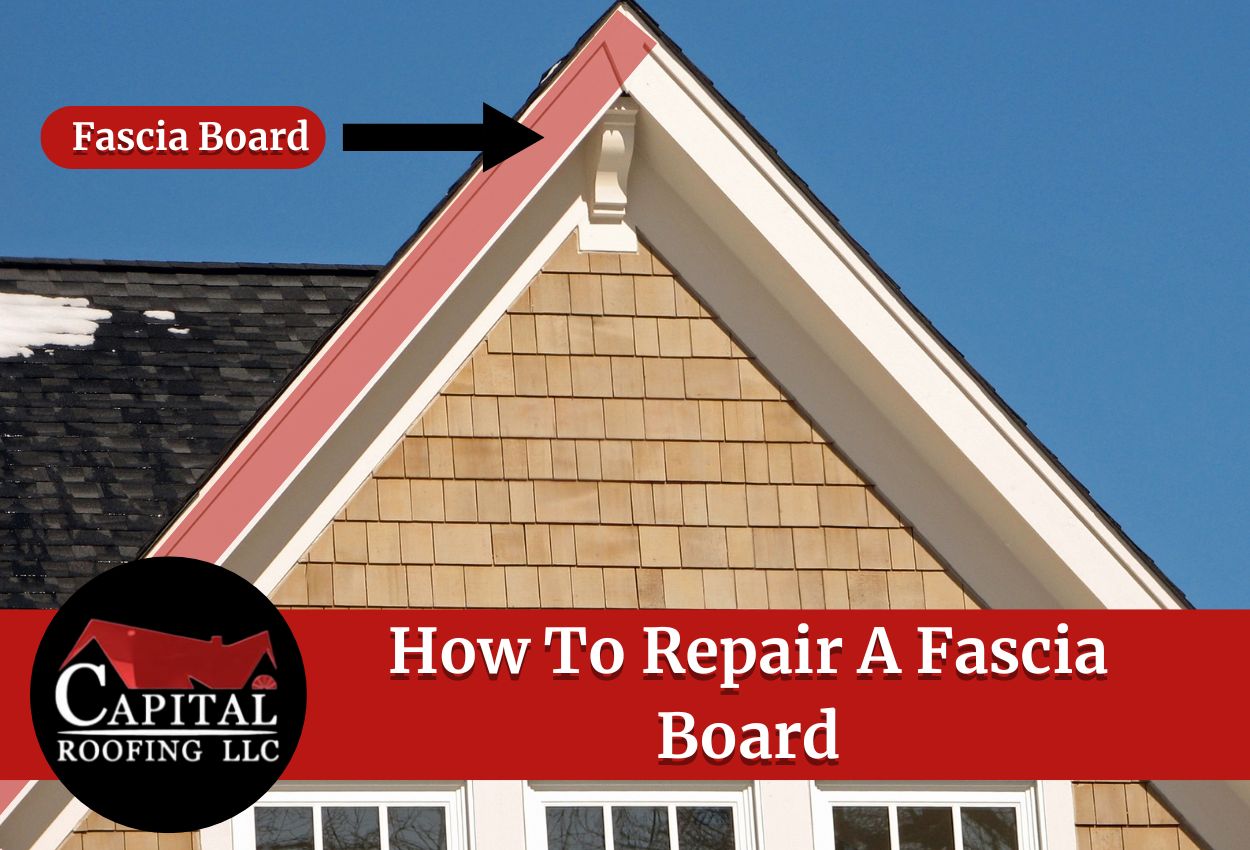
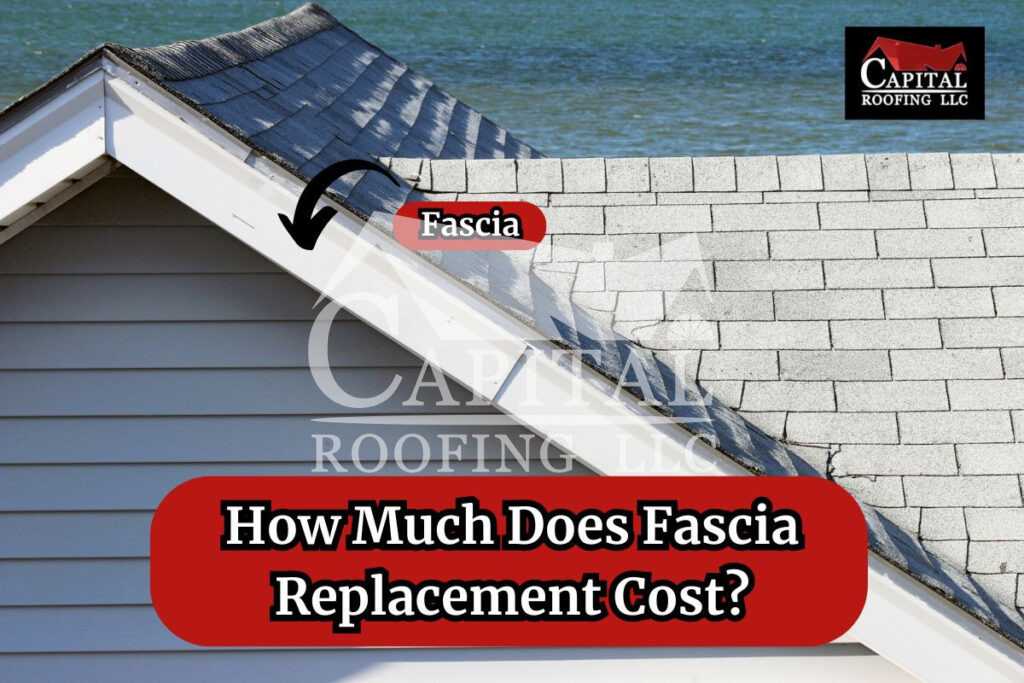
Fascia boards are long, straight boards that run horizontally along the lower edge of your roof, supporting the bottom row of the roof shingles and holding the gutters in place.
They play an essential role in protecting your roof’s structural components from water damage and pest intrusion. When fascia boards deteriorate, they can lead to many problems, including roof leaks, pest infestations, and even attic damage.
Factors Influencing How Much Fascia Replacement Costs
The cost to replace fascia can vary significantly based on several factors. Understanding these variables will help you better estimate the potential expenses for your specific situation.
1. Material Selection
One of the primary factors affecting the final fascia replacement cost is the choice of material. Different materials come with varying prices:
| Material | Cost Per Linear Foot | Durability | Maintenance |
|---|---|---|---|
| Wood (Fir, Pine, Spruce) | $1–$5 | Moderate; prone to rot and pests | High; requires regular painting/sealing |
| Vinyl & PVC | $3–$15 | High; resistant to moisture and pests | Low; minimal upkeep needed |
| Aluminum | $8–$20 | Very high; rust-resistant and long-lasting | Low; no painting required |
| Composite | $10–$30 | Excellent; combines wood aesthetics with synthetic durability | Very low; resists rot, pests, and weathering |
👉 Wood: Traditional and aesthetically pleasing, wood fascia made from fir, pine, and spruce typically costs $1 to $5 per linear foot. However, it requires more maintenance and is susceptible to rot and insect damage.
👉 Vinyl and PVC: Popular low-maintenance options, these materials cost $3 to $15 per linear foot. Both are resistant to moisture and don’t require painting, making them excellent choices for homeowners seeking durability with minimal upkeep.
👉 Aluminum: Durable and weather-resistant, aluminum fascia costs between $8 and $20 per linear foot. It’s an excellent choice for regions with tough weather conditions
👉 Composite: Combining the benefits of wood and plastic, composite fascia usually ranges from $10 to $30 per linear foot. It offers lasting performance and needs minimal maintenance.
2. Home Size and Architecture
The size of your home and the complexity of its architecture play significant roles in determining the fascia replacement cost. Most single-story homes require 100 to 250 linear feet of fascia board. As mentioned earlier, the cost to replace fascia boards can range anywhere from $5 to $40 per linear foot for both materials and labor. Buildings with larger linear footage will need more materials and labor, potentially increasing the cost.
Additionally, homes with intricate designs, multiple stories, or hard-to-reach areas may require specialized equipment or additional labor, further impacting the cost.
3. Existing Damage
The condition of your current fascia and surrounding structures can significantly affect the cost of replacement. If there’s extensive rot or damage to the underlying wood, additional repairs may be necessary before the new fascia can be installed. Structural rot repairs can add $500 to $4,000 to both material and labor costs.
4. Labor Costs
Labor is often one of the most substantial components of the fascia replacement cost. On average, you can expect to pay between $6 and $20 per linear foot for labor alone. This cost can vary based on:
👉 Your geographical location.
👉 The contractor’s experience and reputation.
👉 The complexity of the job.
👉 Accessibility of the work area.
While it might be tempting to choose the lowest bidder, quality workmanship can save you money in the long run by preventing future issues.
5. Additional Expenses
When budgeting for fascia replacement, don’t overlook these potential additional costs:
👉 Disposal fees for old materials ($3 to $10 per linear foot)
👉 Permits and inspections required by local regulations.
👉 Rental fees for specialized equipment (e.g., scaffolding for multi-story homes).
👉Potential repairs to soffits or other related structures discovered during the replacement process.
👉Gutter repair costs ($200 to $600)
By considering all these factors, you’ll be able to effectively budget for your fascia replacement project
How To Estimate The Cost of Fascia Replacement For Your Home?
To get a rough estimate of your fascia replacement, you’ll need to measure the linear footage of fascia on your home. An average home requires about 100 linear feet of fascia board installed along the roof. Multiply your measurements by the combined cost of materials and labor per linear foot. For example:
To get a rough estimate of your fascia replacement, you’ll need to measure the linear footage of fascia on your home. Multiply this by the combined cost of materials and labor per linear foot. For example:
👉 200 linear feet of fascia.
👉 Vinyl fascia costs $7 per linear foot.
👉 Labor at $14 per linear foot.
Estimated cost: 200 × ($7 + $14) = $4,200
Remember to add a contingency of 10-20% for unexpected expenses.
| Home Type | Linear Feet Needed | Budget Material Cost | Premium Material Cost | Total Project Range |
|---|---|---|---|---|
| Average Single-Story | 100–150 ft | $500–$750 | $3,000–$4,500 | $900–$6,000 |
| Large Single-Story | 150–250 ft | $750–$1,250 | $4,500–$7,500 | $1,500–$10,000 |
| Two-Story Home | 200–300 ft | $1,000–$1,500 | $6,000–$9,000 | $2,000–$12,000+ |
What Are The Signs That Indicate That Fascia Replacement Is Necessary?
Knowing when to replace your fascia can prevent more costly damage down the line. Look out for these signs:
👉 Peeling or cracking paint.
👉 Visible rot or decay.
👉 Sagging sections.
👉 Water stains on the exterior walls below the fascia.
👉 Increased presence of pests, particularly in your attic.
👉 Leaks or water damage in your attic or along exterior walls.
👉Gutters pulling away from the roof – if your gutters start to sag or pull away from the roof, the fascia board may no longer be able to support their weight
👉Peeling or bubbling paint – peeled-off paint and bubbles along the fascia board often happen due to trapped moisture inside the fascia board
After spotting any of these signs, schedule a professional inspection immediately to prevent further damage.
Consequences of Delayed Replacement
Postponing fascia replacement when warning signs appear can lead to serious problems:
Increased Repair Costs: Addressing minor fascia board damage can prevent more extensive repairs down the line and save you a lot of money. What starts as a simple fascia replacement can escalate into major structural repairs if water damage spreads to roof decking or interior walls.
Reduced Home Value: Neglecting fascia board repairs will not only affect the curb appeal of your home but also its resale value, making it less appealing to potential buyers. Visible fascia damage signals to buyers that the property may have other maintenance issues.
DIY vs. Professional Fascia Replacement
While it’s possible to replace fascia boards yourself if you have carpentry skills and the right tools, it’s often best to hire a professional. Here’s why:
👉 Professionals have the experience to identify and address underlying issues.
👉 They have the proper tools and safety equipment for working at heights.
👉 Professional installation often comes with warranties, providing peace of mind.
👉 Improper installation can lead to more expensive problems in the future.
Five Quick Maintenance Tips for Your New Fascia

After investing in fascia replacement, proper maintenance can significantly extend its lifespan:
👉 Regularly clean your fascia to prevent mold and debris buildup.
👉 Inspect for damage after severe weather events.
👉 Repaint or reseal wood fascia every few years to protect it from the elements.
👉 Make sure your rain gutters are clean and functioning properly to prevent water damage.
👉 Trim back trees and vegetation that could potentially damage your fascia.
Final Thoughts
Understanding the various aspects of fascia replacement costs empowers you to make informed decisions about your home’s maintenance. While the initial investment might seem a little high, remember that quality fascia replacement protects your home from costly damage in the future.
By considering factors such as material choice, labor costs, and additional expenses, you can budget effectively for this important home improvement project. Remember to prioritize quality and long-term value over immediate cost savings, and don’t hesitate to consult with multiple professionals before making your decision.
Call Capital Roofing For Top Quality Exterior Services In Claremore, OK
At Capital Roofing, we provide professional exterior services in Claremore, OK, and the surrounding areas. We have a team of skilled professionals with years of experience handling exterior projects, including fascia replacement. We have been serving home and business owners in Oklahoma for many years. For an estimate for your project, feel free to contact us at (918) 260-4075.
How long does fascia board replacement typically take to complete?
Most fascia replacement projects for an average single-story home can be completed in 1-3 days, depending on accessibility and weather conditions. Larger homes or those requiring extensive rot repairs may take up to a week. Your contractor should provide a timeline estimate during the initial consultation.
Can I replace fascia boards without removing my gutters?
In most cases, gutters must be temporarily removed to properly access and replace fascia boards since the fascia supports the gutter system. However, experienced contractors can carefully detach and reinstall gutters without damaging them. This is why fascia and gutter work are often coordinated together.
What’s the best time of year to schedule fascia replacement?
Late spring through early fall offers the ideal conditions for fascia replacement, with dry weather and moderate temperatures allowing materials to set properly. Avoid scheduling during rainy seasons or freezing temperatures, as moisture and cold can compromise installation quality and extend project timelines significantly.
How can I tell if my fascia damage is caused by poor ventilation or water issues?
Water damage typically shows dark staining and rot starting from the bottom edge where gutters attach, while ventilation problems cause deterioration from behind with condensation marks. A professional inspection can identify the root cause and recommend solutions like improved attic ventilation or gutter adjustments to prevent recurrence.
Will replacing fascia boards improve my home’s energy efficiency?
While fascia replacement primarily protects structural integrity, it can indirectly improve energy efficiency by sealing gaps where conditioned air escapes. Properly installed fascia prevents pest entry and moisture infiltration that can damage insulation, helping maintain your home’s thermal envelope and reducing heating and cooling losses.