18795 Spring Creek Ln, Claremore, OK 74017

 (918) 260-4075
×
(918) 260-4075
×
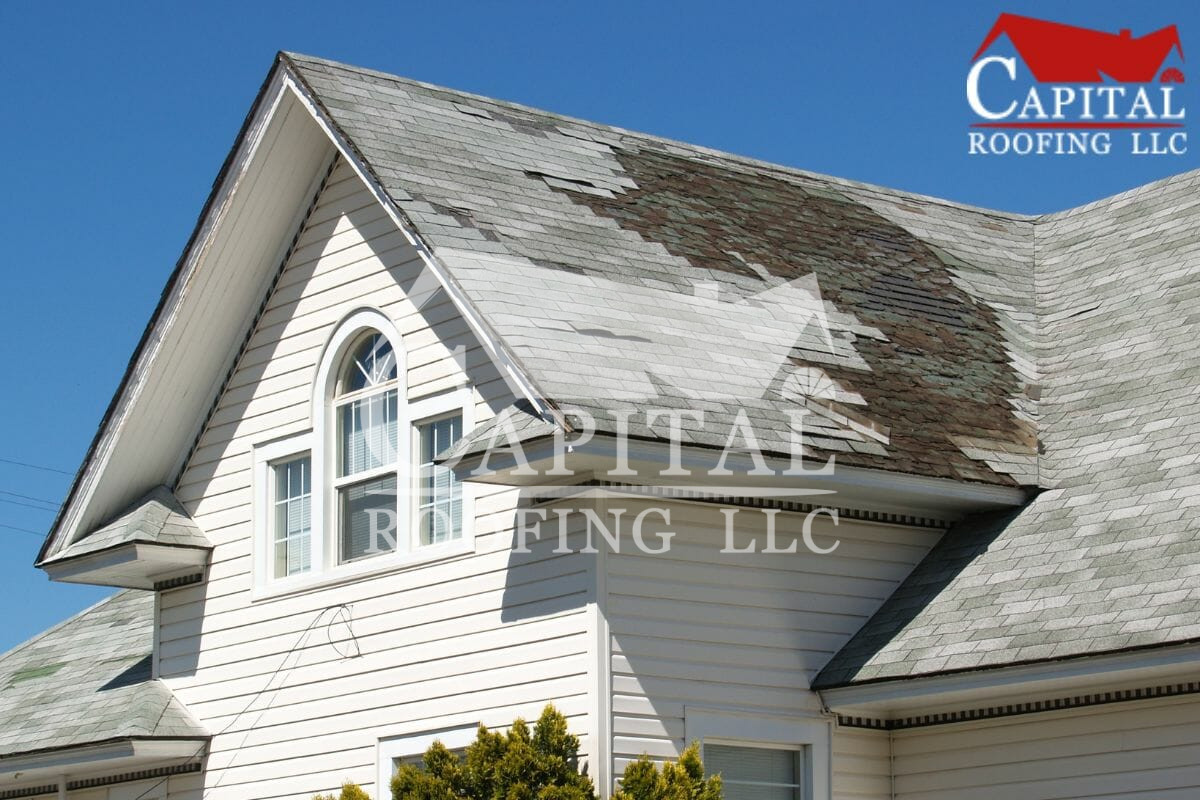
Sitting in northeastern Oklahoma, Inola gets hit hard every spring with severe thunderstorms, large hail, and powerful wind gusts. April and May bring the highest chances of hail, and storms here can form quickly and without much warning. What makes this especially tough for homeowners is that roof damage isn't always obvious right after a storm. Granule loss, bruised shingles, and lifted flashing can go unnoticed for weeks, quietly letting water work its way into your home until a ceiling stain appears.
That's where professional storm damage roof repair makes a real difference. A trained eye can spot damage that's easy to miss from the ground, including cracked shingle mats, exposed asphalt, and gaps around chimneys or vents where leaks are most likely to start. Capital Roofing works with homeowners across the Inola area to inspect roofs after storms, identify what actually needs attention, and make repairs that protect your home before the next round of severe weather rolls in. Getting the right help quickly isn't just about fixing what you can see. It's about protecting your home and keeping small damage from growing into something far more expensive.
Here's exactly what to expect from start to finish so there are no surprises during your storm damage roof repair.
One of the most common questions homeowners have after a storm is whether their roof needs a few repairs or a full replacement. The answer depends on a handful of specific factors, and getting this right matters. Choosing repair when replacement is needed, or the other way around, can lead to problems down the road.
| Factor | Repair | Replace |
|---|---|---|
| Damage coverage | Less than 30% of roof affected | Damage spread across multiple slopes |
| Roof age | Under 10 to 12 years old | Older roofs with widespread wear |
| Roof deck condition | Dry and solid beneath shingles | Soft, wet, or deteriorated roof deck |
| Hail impact density | Scattered impacts, limited bruising | High impact counts across storm-facing slopes |
A few things are easy to overlook after a storm. Hail can leave bruising on asphalt shingles that looks minor from below but points to damage underneath. Flashing around chimneys, vents, and roof valleys is another spot that fails quietly. These areas take the brunt of heavy rainfall and are responsible for more leaks than most homeowners expect. If your area sees regular temperature changes through winter, curling or cracked shingles deserve a close look before spring storms return. A proper inspection reveals what the ground view misses, so you know exactly what you are working with before any decisions are made.
Once your roof has been inspected and the extent of damage has been identified, a reliable contractor will perform detailed repairs on all weakened areas and ensure that there are no vulnerabilities left for the next storm.
When storm damage requires shingle replacement, you have the option to upgrade to Class 4 impact-resistant shingles built to hold up better against the large hail that hits Inola hard each spring. This is one of the smarter decisions you can make for a home in this part of Oklahoma, where spring hailstorms are a common threat.
Chimneys, pipe vents, and roof valleys are the spots most likely to fail during heavy rainfall, and repairing flashing in these areas is a core part of storm damage work, not an afterthought. A fresh, watertight seal around these openings stops the slow leaks that tend to cause the most damage to ceilings and walls over time.
While shingles are lifted or removed during repairs, the roof deck underneath gets a direct look to confirm it's dry and solid before new materials go down. If any soft or water-damaged sections are found, they get addressed at this stage so you're not covering up a problem that will show up again later.
Capital Roofing documents damage findings during the repair process, including photos that show the condition of your roof before and after work is completed. This can be useful to have on file for future reference or if questions come up with your insurance carrier down the road.
Got questions about your roof? We’ve got answers. From maintenance tips to insurance claims and repair timelines, our FAQ section covers the most common concerns homeowners have. Get informed and make confident decisions about protecting your home.
The window to get repairs done after a storm is shorter than most homeowners expect. Even small openings in shingles or flashing can let water reach the roof deck within a few storm cycles, and once the roof deck gets wet, the repair needs grow fast. Getting an inspection scheduled within a week or two of a storm gives you the best chance of keeping things straightforward and affordable.
Not necessarily. Hail as small as ¾ of an inch can damage asphalt shingles when wind speed pushes it hard enough, which is common during the fast-moving storms that come through northeastern Oklahoma each spring. The tricky part is that smaller hail tends to leave bruising you can't see from the ground, so the roof looks fine until a leak shows up weeks or months later.
Two inspections a year make the most sense here: once before March, when the most active part of storm season gets underway, and again in early fall before winter temperature changes start putting stress on shingles. That timing lets you catch anything the previous season left behind and get it fixed before conditions get worse. A roof that goes into spring storm season with existing wear is much more vulnerable than one that got attention in late winter.